“I Want to Be a Geologist”: One Camper’s Joyful Leap into STEM
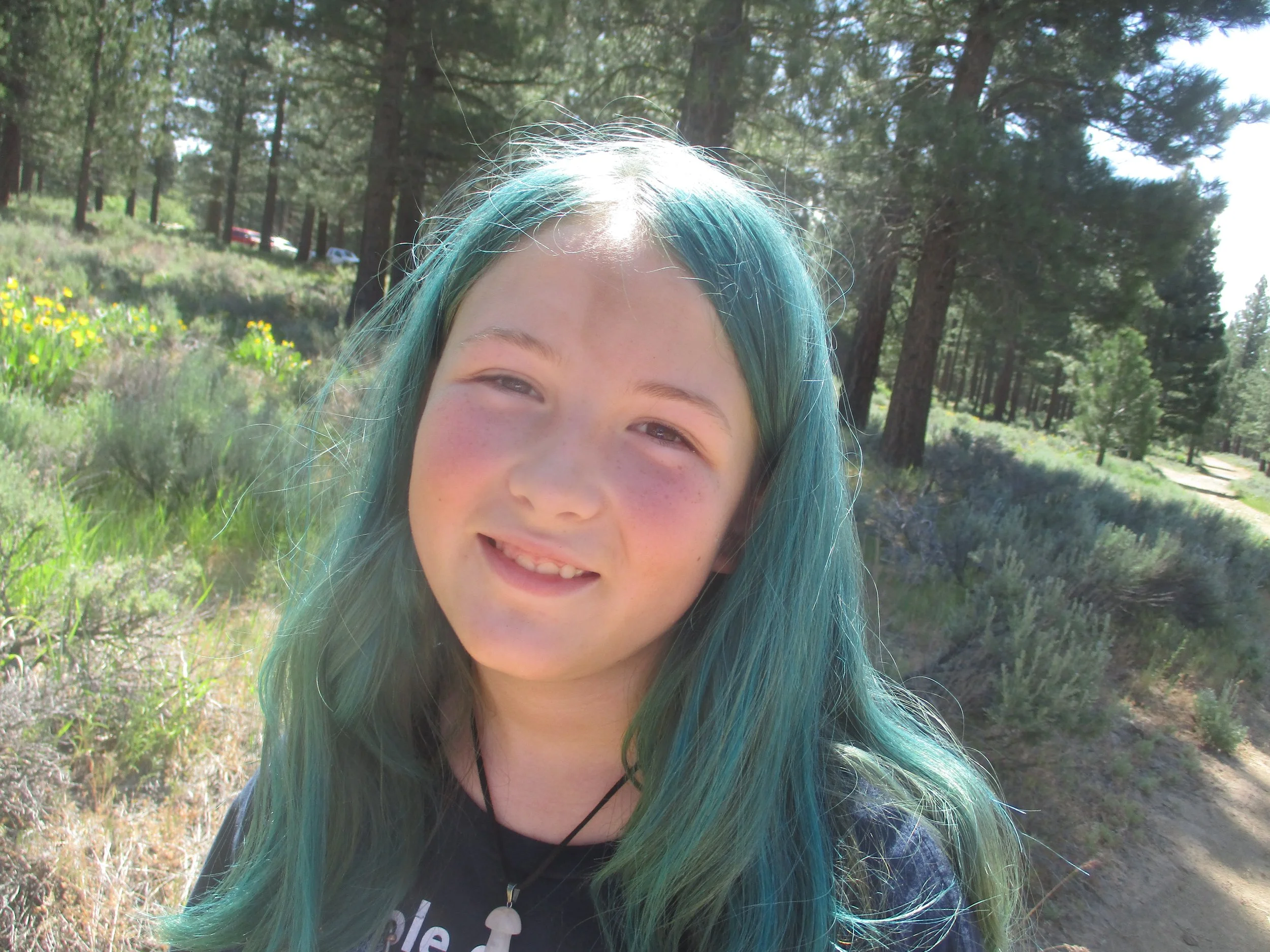
For Iris, coming to Girls in STEM Camp started as a surprise, and quickly turned into something special.
“My name is Iris,” she said shyly. “I’m going to Clayton Middle School.” She hadn’t planned the experience herself. “My teachers recommended me here,” she explained. “And now I’m here, and I’ve been really excited about it for weeks.” In fact, her parents already knew before she did. “My teacher told them before I knew,” she added with a smile.
From the moment she arrived, Iris knew she belonged. “I love the Camp,” she said. “I love how there are so many activities and so many different things you can do.” But it wasn’t just the activities, it was the people. “We all have our own beds, and we don’t know some people, but we make new friends.” She paused, then added simply, “I love it.”
One thing that makes this camp stand out for her is the environment. “It’s just girls,” she said. “If boys were here, especially with the slime station, chaos would erupt.” She laughed. But there was something deeper there, too: “We can share girl things, and I love it.”
In school, Iris already knows what she likes and what she doesn’t.
“Math,” she said without hesitation when asked about her favorite subject. What draws her to it is its clarity. “If you learn how to do it and you can do it, then you got it.” Unlike other subjects, she explained, math feels steady and predictable. “You can go up as high as you can, as long as you already have the stuff mastered.” Reading, on the other hand, feels more complicated. “You have to get a whole new vocabulary and stuff,” she said.
At Camp, that confidence in learning is starting to shape her future goals.
“I want to be a geologist,” she said proudly. The reason behind it is refreshingly straightforward: “I like digging, and I like rocks a lot. So it is kind of obvious.”
While no one has directly guided her into that path, she’s already thinking realistically about what it could mean. “You might not always be digging,” she said, recalling things she’s been told. “You’re not going to have summer breaks like school.” Even so, her curiosity remains strong.
Here at Camp, that curiosity is just beginning to expand. When asked what she hopes to learn from meeting scientists, she shrugged, smiling. “I honestly don’t know.”
And maybe that’s the best place to start.
Surrounded by new friends, hands-on activities, and endless questions waiting to be explored, Iris is discovering that learning doesn’t have to come with all the answers. Sometimes, it just begins with excitement and a love of rocks.
From Campfires to Curiosity, Zariah’s Journey into STEM and Stewardship
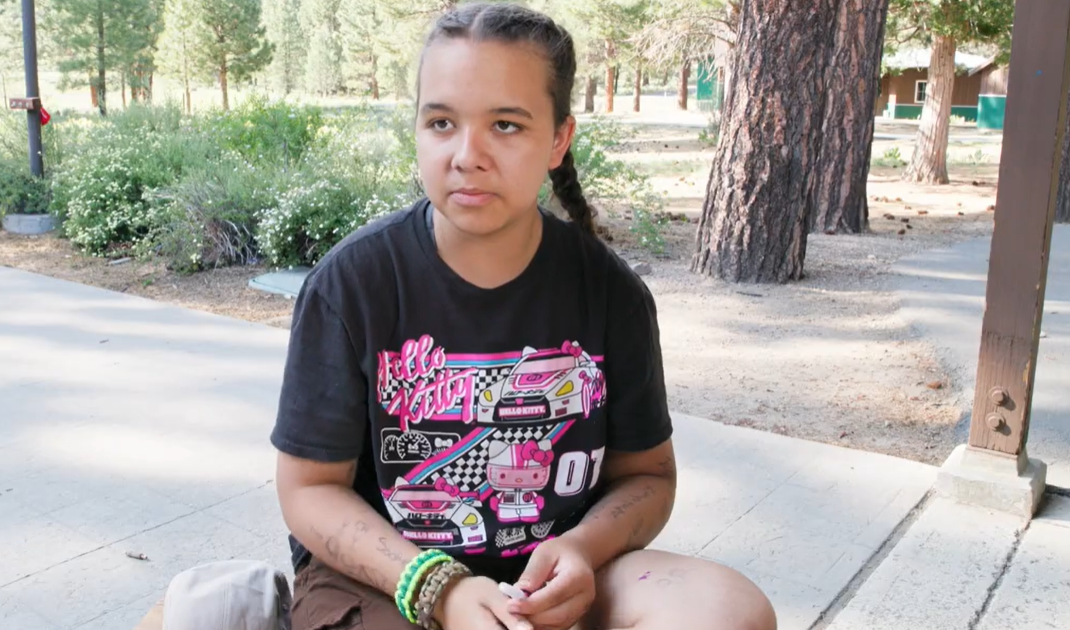
At Sierra Nevada Journeys, Zariah didn’t just come back for another camp, she came back for possibility.
“Oh, it’s super fun,” she said with an easy smile. “It’s like super inviting and everybody’s nice here, and it’s open to everybody.” For Zariah, a 14-year-old from Swope Middle School in Reno, Nevada, Girls in STEM Camp offers something school sometimes doesn’t: “You get to learn, but not in a way that’s like school, where it’s not fun and it’s just out of a textbook. You get to do hands-on activities, which is what I love.”
“I love environmental science,” said Zariah. “I love science in general; engineering is amazing.” But more than any one subject, what drives her is a sense of responsibility. “Mostly it’s just bringing the environment to a better state than it already is in, and a lot of that is through STEM.”
That mindset feels natural to her. “I don’t know why anyone wouldn’t care about the environment,” she said thoughtfully. “It’s given us literally everything. Everything that we have is because of what nature gives us; your house is built out of nature.”
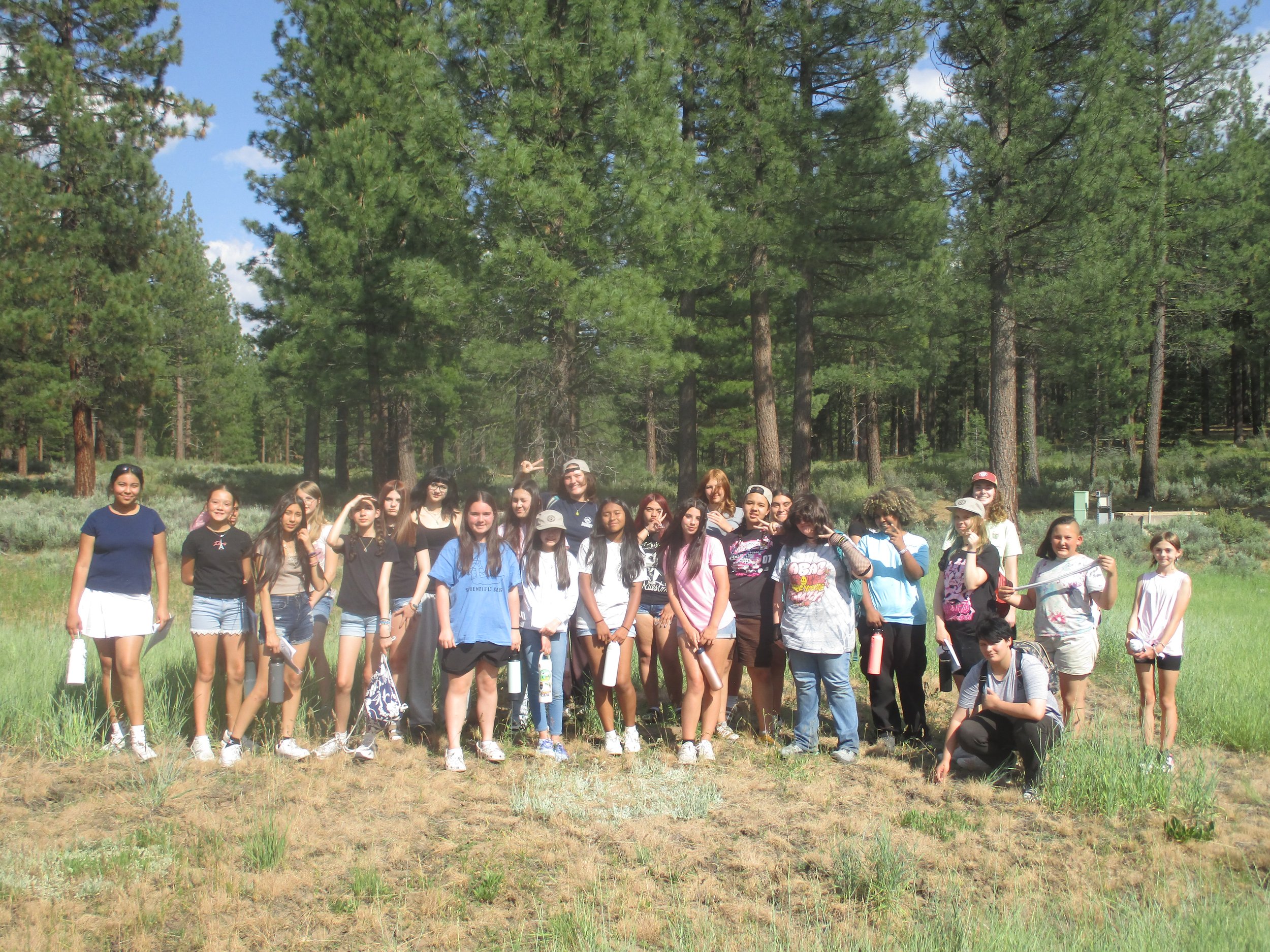
Zariah first came to Girls in STEM Camp the year prior after spotting an opportunity. “My mom just asked if I wanted to do it, and I said sure because it’s a new way to see opportunities and I love STEM.” It fit perfectly with her curiosity and her interest in “going out into nature and reconnecting.”
This year, she’s diving even deeper, not just into science, but into community.
“What impressed me the most was the community building,” she said. “A lot of camps don’t incite that enough, but we have a lot of time to talk to our cabin and become friends.” That sense of connection grows over time. “Because it’s a repeating thing, you come back every year and see the same people, and that’s super nice.”
Still, the science leaves its mark, too. At the pond, Zariah and her fellow campers explored a hidden world. “We learned about all the microscopic creatures and stuff and how that can help the environment,” she said. They’ve also studied “different plants and how to appreciate nature and sustainability around it,” with more lessons still ahead.
And for Zariah, learning isn’t something to get through; it’s something to look forward to.
“It’s going to be so fun,” she said, her excitement carrying into what comes next at Girls in STEM Camp: new programs, new opportunities, and a future that blends creativity, media, and science. But no matter where she goes, her path seems grounded in something simple and powerful: curiosity, connection, and a belief that she can help make the world better.
At Camp, that belief is already taking root.
“Stay Curious”: A Scientist’s Message to the Next Generation of Girls in STEM
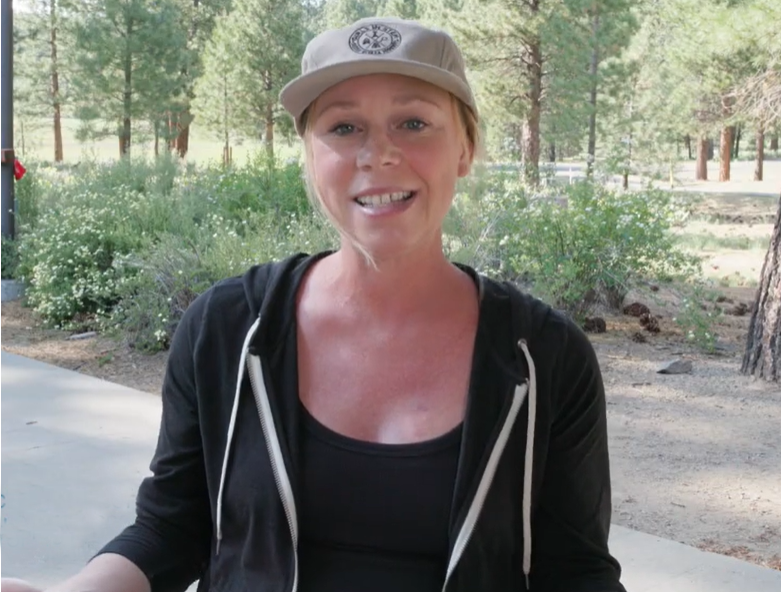
Anne Heggli didn’t follow a straight path into science — and that’s exactly what she wants girls to understand.
Standing outdoors at Sierra Nevada Journeys Outdoor Education Camp, surrounded by mountain air and the lingering chill of snowpack, she introduced herself simply: “My name is Anne Heggli. I’m an assistant research professor in mountain hydrometeorology at the Desert Research Institute.” But her story stretches far beyond a job title.
“I actually want to hang out and chat with the Sierra Nevada Journeys staff at the end of the day,” she joked warmly, her easygoing tone reflecting the kind of scientist she is approachable, grounded, and deeply connected to the world she studies.
Her connection to weather and water began long before her career. “I grew up on the divide between the Middle Fork and the South Fork of the American River in Cool, California,” she said. Seasonal storms weren’t abstract concepts; they were lived experiences. “When we’d get those rain-on-snow events, it would flood, and we wouldn’t be able to get to town.” Her father, she added, “did work in cloud seeding,” so conversations about weather and water were always part of her life. “I’ve always been around it.”
Still, her journey into science wasn’t direct. “My route to being a scientist was very, very non-traditional,” she explained. “I studied a lot of different topics and was interested in a lot of things growing up.” In fact, she first earned “an undergraduate degree in international relations in Spanish.”

It wasn’t until she began working in Latin America alongside her father, a meteorologist, that something clicked. “I was really drawn to the questions and the problems that were trying to be solved,” she said. More than that, she saw the impact. “I liked the application of putting the work into trying to help improve people, manage their water resources, and also understand meteorological events that impact their communities.”
At Camp, Anne brought that same sense of purpose to the girls she worked with at Girls in STEM, along with hands-on tools. “One of the main things that I work on is measuring the snowpack,” she said, holding up specialized equipment. Among them, a Federal Sampler, a professional-grade, portable tool used to measure snow depth and density to determine Snow Water Equivalent (SWE). “The original design was developed in 1906 on Mount Rose (the highest mountain in Washoe County within the Carson Range of Nevada),” she explained, “and it’s still our gold standard for how we measure the snowpack today and predict our runoff.”
With the tools, the girls could measure the amount of water in the snowpack, the density, and also the temperature. But the magic came once they looked deeper. “We can start looking at all the different layers as if it were tree rings in a tree,” she said. “We can kind of get the story of all of the events and storms that came through that winter.”
For Anne, science isn’t just data; it’s storytelling written in snow.
That sense of discovery is exactly why she believes being at Girls in STEM Camp matters. “Sometimes these scientific or STEM-type careers might seem very cookie-cutter,” she said. “There are only a couple of ways or approaches to it.” But her own work tells a different story. “There’s actually a really broad spectrum of the work that can be done.”
In her role, she collaborates with the National Weather Service, studies snowpack, and spends time outdoors. “I get to play outside and spend my time working outside,” she said with a smile. “I would like for the girls to be able to see that you can do whatever it is that you want if you’re really passionate and curious about it. And it can look any way.”
More than anything, Anne hopes to leave the girls with a mindset rather than a specific career path. “As a woman in STEM, I want to help them foster that sense of curiosity.”
In a world that often emphasizes results and output, she sees something missing. “So much of the education focus is on the quantity of what we learned,” she said. But learning, to her, is something much bigger. “Becoming a lifelong learner, you can learn as you get older and as you grow. Learning should just be something that’s fun.”
Out in the mountains, where science lives in snow layers and storm patterns, Anne Heggli is showing the next generation that curiosity doesn’t have to follow a straight line and that sometimes, the most meaningful discoveries begin simply by asking questions.
Every Action Makes a Difference: A Donor’s Vision for Girls in STEM and a Sustainable Future
The first thing Cybele Chang, Executive Director of KSI Foundation, did when she arrived was take in the view.

“It’s beautiful,” she said, looking out over the wide green meadow at Sierra Nevada Journeys Outdoor Education Camp. “I am a huge outdoor person. I mean, what is there not to love up here? It’s gorgeous.” The valley, she added with a laugh, felt like “something out of the movies.”
It was a fitting place for reflection, on science, on the future, and on the girls running through camp who might one day shape both.
Today, KSI has a clear purpose. “Our mission is to give to organizations that help educate low-income girls in the areas of STEM and entrepreneurship,” said Cybele.
Finding Sierra Nevada Journeys and its Girls in STEM Camp came from intention. “A lot of research, actually,” she explained. “We have an idea of what we want to give to and after doing some research, I found Sierra Nevada Journeys. It was good timing and a good fit.”
The fit became obvious. “The STEM, Girls in STEM Camp is specifically for Title I, low-income girls in the field of STEM (science, technology, engineering, and math).” Just as important was timing. “We believe that you need to capture their attention when they’re young, but not too young.” For her foundation, that meant focusing on girls ages 9 through 14.
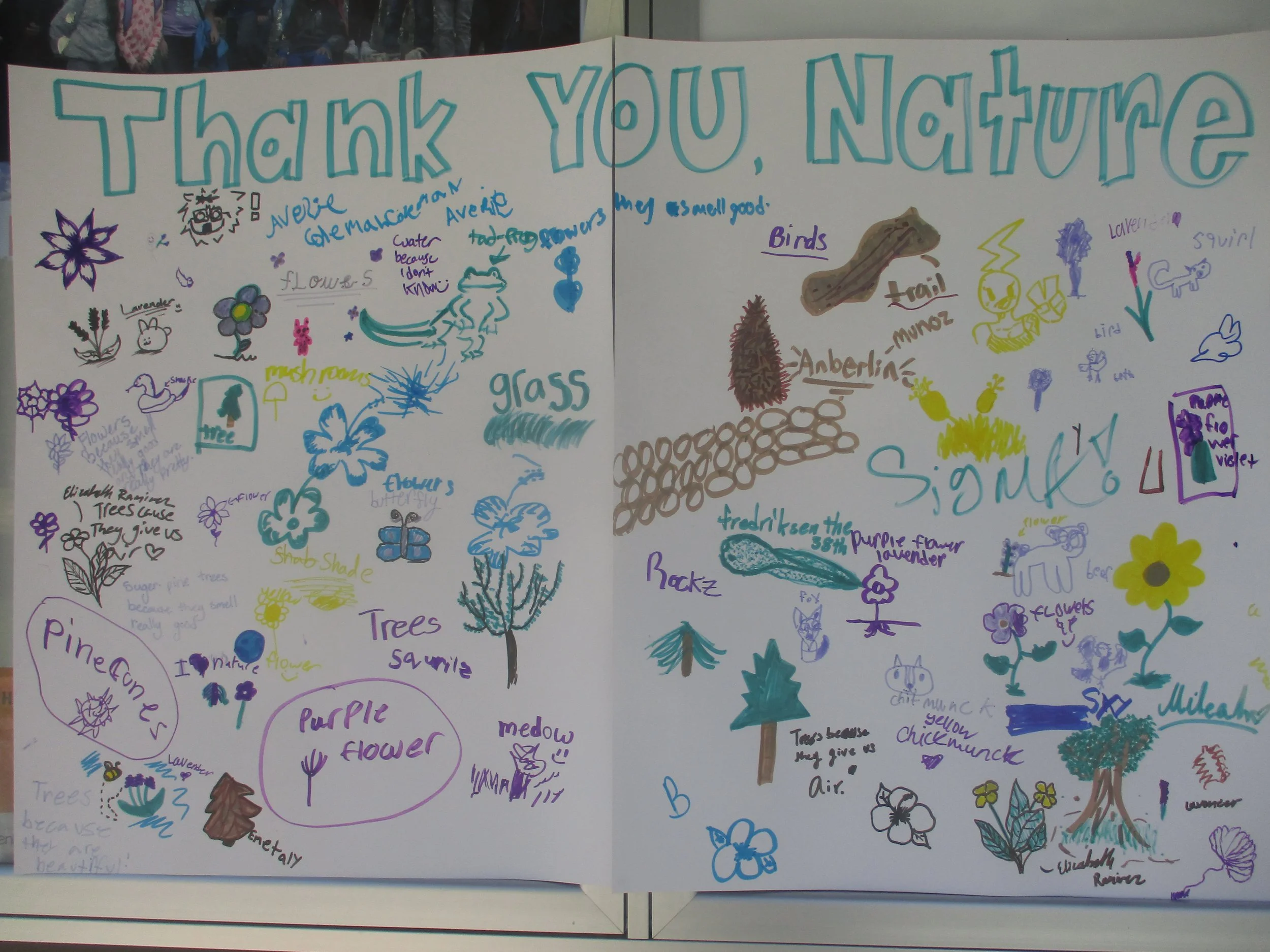
She leaned forward, emphasizing the point. “By the time you’re in high school, most teenagers have already made up their minds, so we’re really focusing on that age. That’s important to us.”
Out on the trails and in the open air, those girls were learning more than facts and formulas. They were forming relationships with science, with each other, and with the earth beneath their feet.
“I think it would be great if they went and became a scientist in some way,” Cybele said. Then she paused, softening the expectation. “But that isn’t necessarily practical.” What mattered more was something more meaningful: “that the girls come away with a deeper connection with the earth and to understand that we are all stewards of the earth.”
Her words carried both hope and urgency. “Every action that they make — recycling, walking instead of driving, putting solar on their house — those steps are important for the existence of the human race on this planet.”
That conviction wasn’t abstract. It was personal.
“My father was actually a computer science professor in electrical engineering,” she explained. “He had two daughters He didn’t advocate for us to go into the sciences, but both my sister and I exceled in the sciences.” She chuckled. “So we’re poster children for girls in STEM.”
Cybele herself studied environmental science at UC Berkeley. Her sister, she added with admiration, “got a master’s in math, which to me is astounding; that’s a lot of math.”
Those life experiences shaped not only what she believes, but what she wants others to understand.
“I just hope that the future generation really does take to heart that we play a role in the future,” she said, her voice growing steadier and more insistent. She illustrated that idea with a vivid example where a plastic bag drifting into the ocean, mistaken for a jellyfish and eaten by a turtle. She added, “We are part of all of that ecosystem, and every action we take can make a difference.”
The message she hopes the girls carry home is simple, but immense. “We are not here to just consume and do whatever we want. If you want the human race to continue in perpetuity, then you need to take action and live a more sustainable life.”
Back outside, the meadow stretched on under the summer sun, quiet and alive at the same time. Somewhere nearby, a group of girls was laughing, discovering something new about the world, or maybe about themselves.
Cybele watched the landscape for a moment, then smiled in the direction of the campers, “They’re what’s really important to me — the girls.”
Opening Eyes to Flight: Julianna Eppard Inspires Curiosity at Girls in STEM
Julianna Eppard stood before the campers with easy confidence, the kind that comes from years of curiosity and connection to the natural world.
A member of the Lahontan Audubon Society, a nonprofit organization dedicated to birdwatching, education, and conservation of birds in northern Nevada,” Julianna didn’t just study nature; she lived it. Her journey into science and environmental work began early. “My mother was an environmental consultant for her career, so I’ve been raised to keep an eye out while in nature and to regularly think about the environment,” she explained. That mindset stayed with her and grew into something personal. “I’ve also had my own curiosity about the outdoors and what it takes to make sure it stays healthy.”
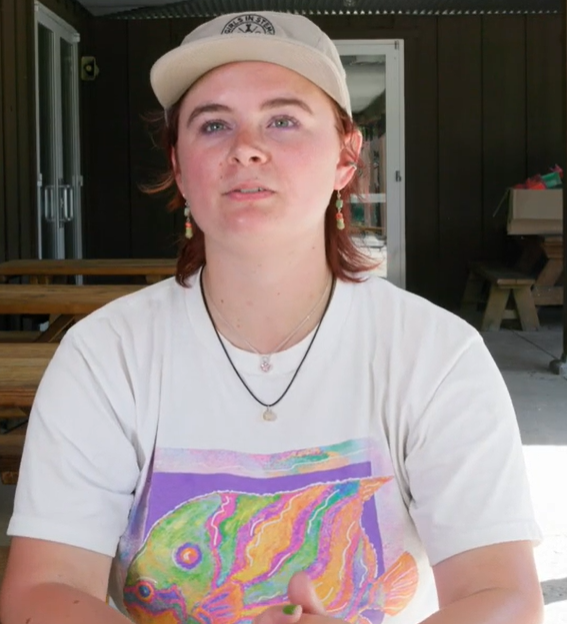
That curiosity turned into action through her work with the Audubon Society. “I volunteer to help with activities and outreach programs,” she said. Whether it was sharing information at events about native bees or attending meetings where members discuss everything from conservation to how to taxidermize animals and birds, Julianna embraced every opportunity to learn and teach.
For her, the importance of that work is clear. “They are set on the preservation and conservation of birds in their environments,” she said. And birds play a vital role: “They spread seed, they pollinate and they’re also just really pretty to look at.”
At the Girls in STEM Camp, Julianna’s role was more than just a speaker; she was a guide helping young girls see possibilities. “I think it’s really important to get out there and show young women that they are allowed to take up space in this career path,” she said. “Allowed to move forward and have their own curiosities and dreams.”
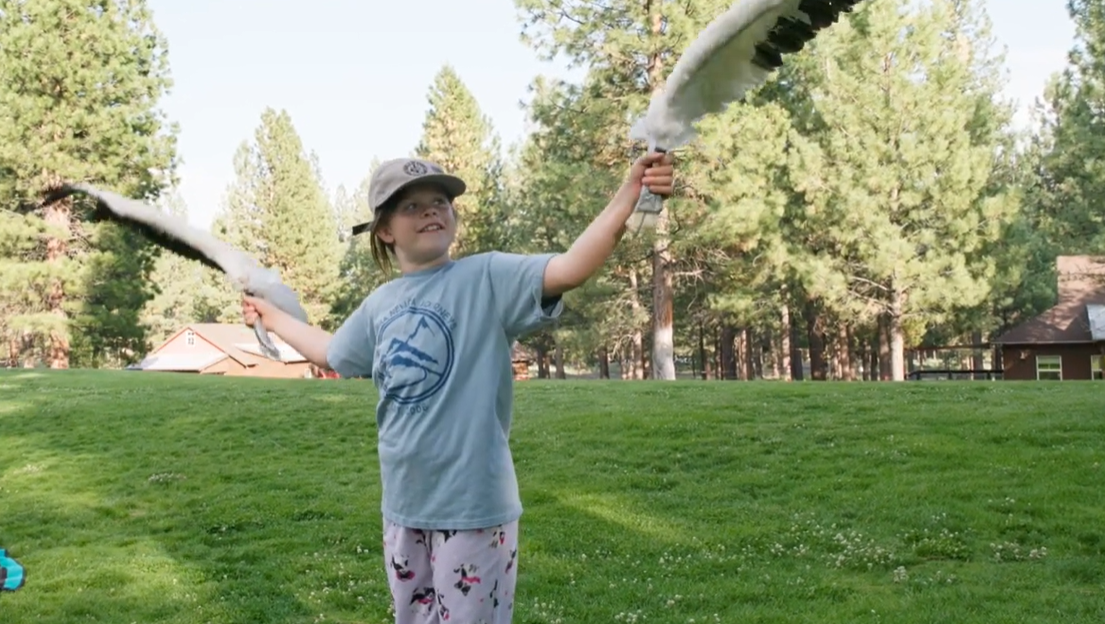
Julianna already has experience bringing science to life. During a recent internship at the University of Nevada, Reno, she worked hands-on with both research and education. “I was working on relabeling their bee collection,” she said, but that wasn’t all. “We had a third-grade class and it was a snake lab, so I got to hold snakes and show them all about it.” She laughed as she remembered the kids’ reactions. “There were some brave ones and then some you had to kind of coax, but they all did really well.”
At camp, her goal was to spark that same curiosity. “Today our main goal is to talk about how birds fly,” she said. For Julianna, that’s where learning begins, with wonder. “It’s just really cool when you get to open your eyes and look around and be able to understand a basic level of what’s happening,” she said. “I think it’s encouraging to just to start that basic level of information about birds.”
And while she sees progress, she knows encouragement still matters. “I do think that there is already more presence of women and girls in these fields,” she said, “but it’s always important to keep encouraging anybody to keep moving forward with what they want to do.”
In the end, her advice to the girls was simple, but powerful: “Have fun. Be outside.”
Because sometimes, all it takes to begin a journey in STEM is the willingness to look up, ask questions, and let curiosity take flight.
Climbing Higher: Averie’s Girls in STEM Camp Adventure from Alpine Tower to Big Dreams
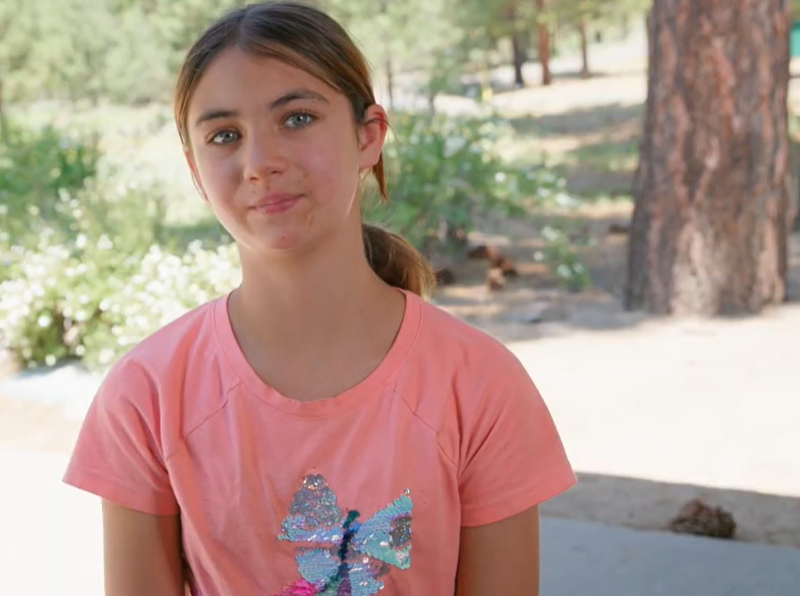
Averie stepped up with quiet confidence when asked to introduce herself. “Okay, my name is Averie. It's spelled A-V-E-R-I-E,” she said, smiling as if she already belonged here. STEM camp wasn’t exactly a long-planned decision; it was more like something that found its way back to her. “A couple of years ago, I heard about it at school. I forgot about it for a little while; then I remembered because I didn't want to get stuck at home,” she explained. But what started as a way to avoid boredom quickly became something more meaningful. “I wanted to go, and I made some new friends.”
From the start, Averie knew exactly what she loved. “I really like climbing and making stuff and making new friends,” she said. Then, with a grin that made it clear she was still a kid at heart, she added, “Mostly the food, though.”
Her love for STEM wasn’t something she had to force. “My favorite subject is math,” she said confidently. And science? That came with hands-on fun. “I love science projects like making slime and stuff.” For Averie, STEM wasn’t just about learning; it was about doing.
That same enthusiasm showed up when she described her biggest adventure at camp so far. “We climbed Alpine Tower, which is the tallest structure in Portola, California,” she said, her hands mimicking the reach of the climb. “I climbed all the way to the top and touched it kind of like this.” It wasn’t just an activity; it felt like a moment of pride. “I love Alpine Tower. It's my favorite.”
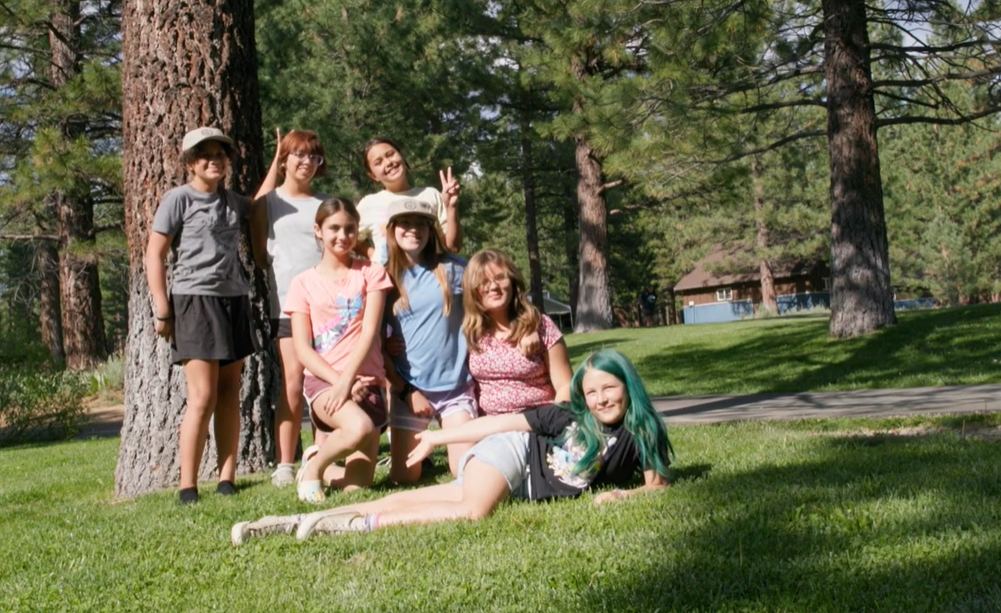
Climbing, turns out, has always been part of who Averie is. “A fun fact is I could climb before I could walk,” she said, laughing. It made perfect sense why she felt so at home scaling the tower.
Outside of camp, Averie’s connection to nature runs deep. “Usually every year, like June 28th for my mom's birthday, we usually go camping, and I really enjoy it,” she shared. Whether it’s climbing, camping, or exploring, the outdoors feels like a natural extension of her curiosity.
Even in her first days at camp, she was already picking up new skills. “I've learned about the rules here. I've learned how to put on the helmets and the harnesses for Alpine Tower correctly,” she said. And of course, there were the small, meaningful moments too: “I also took a picture with my friend.”
When asked why science and math matter, Averie answered with a kind of practical wisdom beyond her years. “If you want to be an accountant or really anything you need to know about numbers,” she said, thinking of her cousin who works with numbers every day. And science? That opens even more doors. “If you want to be a firefighter or if you want to be an Instructor like the people at Sierra Nevada Journeys, you need to learn a lot about science.”
For Averie, the future already has a shape. “I want to be a veterinarian because I love animals and I love nature,” she said. She understands both sides of that dream — the hard parts and the rewarding ones. “The non-fun part about it is when you see the animals die,” she admitted honestly, before brightening again. “But the fun part is you get to go out and see animals and like diagnose them with stuff.”
Right now, though, she’s simply on the edge of something new. “I'm going into sixth grade. I just got out of fifth grade,” she said. It’s a moment in between; the big step from elementary school to middle school, where curiosity and possibilities of the future intersect.
But standing at the top of the Alpine Tower, reaching just a little higher, it’s easy to see that Averie isn’t afraid of what’s ahead. After all, this is someone who says, without hesitation, “I could climb before I could walk.”
And now, she’s climbing even higher.
Empowering Future Innovators: Girls in STEM Camp Sparks Confidence, Curiosity, and Career Dreams
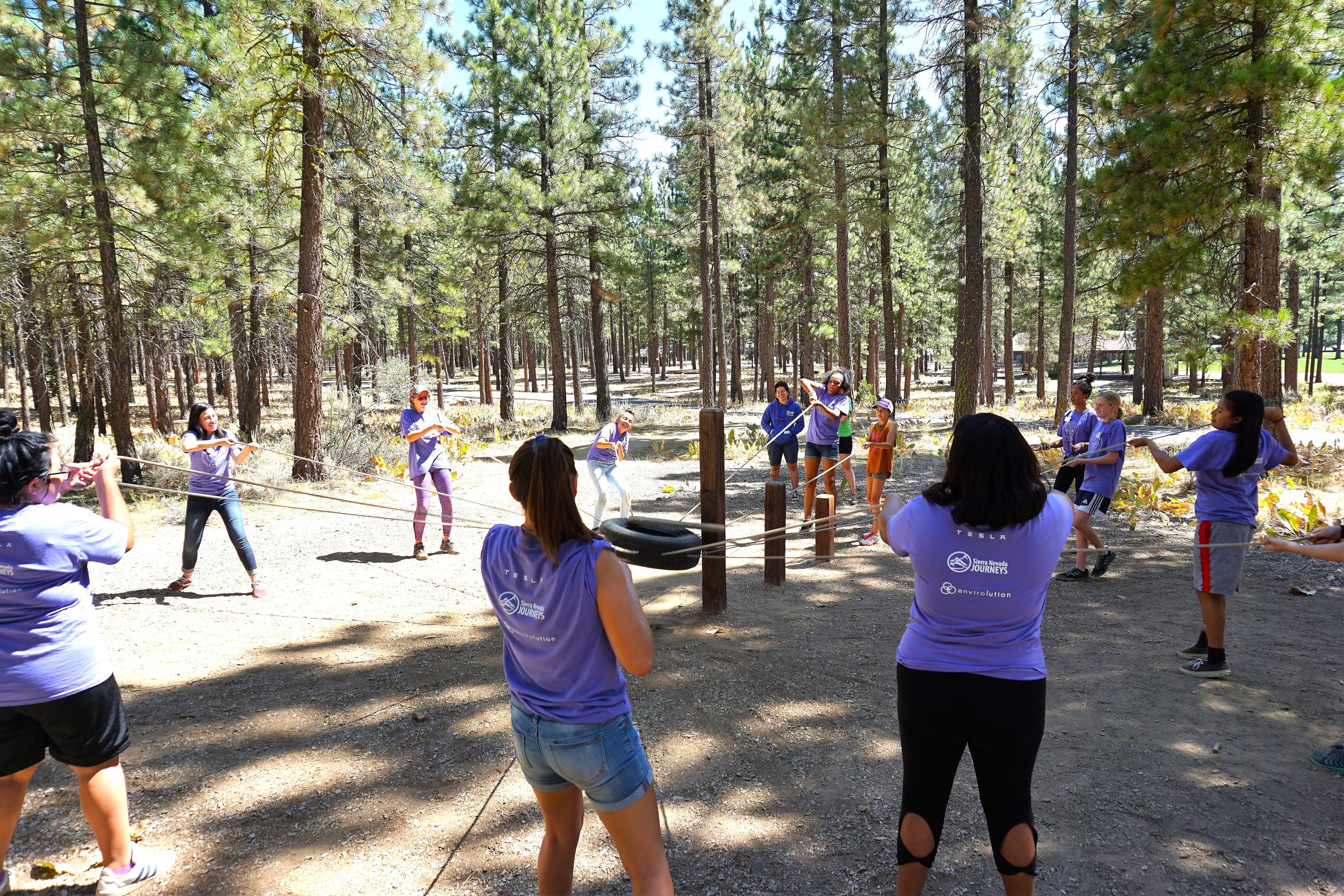
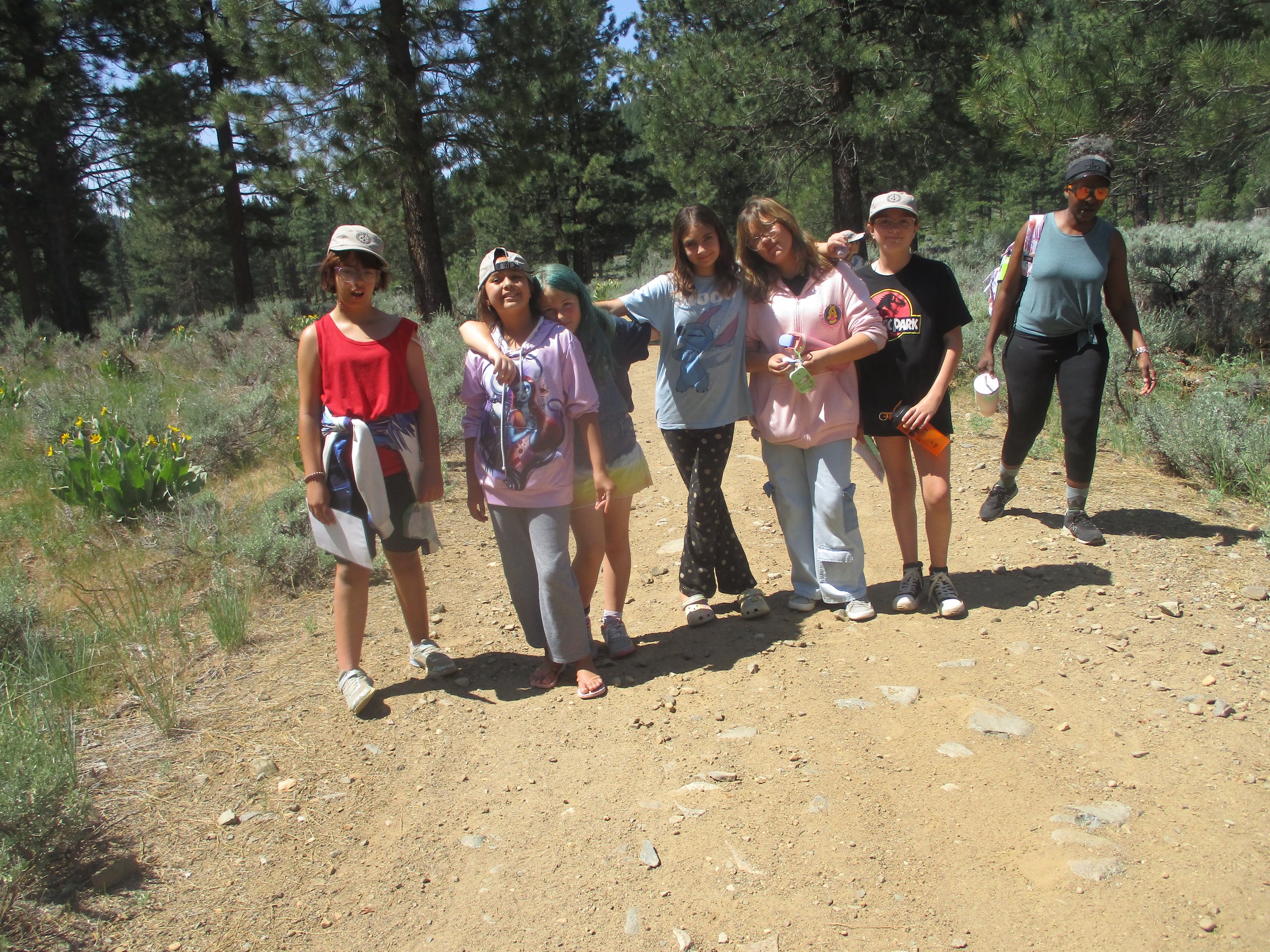
Camp can be a whirlwind experience, and our Girls in STEM Camp is no exception. On June 7, 2025, campers arrive at our Outdoor Education Camp in Portola — many for the first time where they quickly settle in, form fast friendships with their bunkmates, and immerse themselves in outdoor adventures. From hiking and group skits to scaling our Alpine Tower, they embrace new challenges. But beyond the outdoor excitement, they also connect with inspiring women in STEM careers, opening their eyes to new possibilities for their own futures.
With so much packed into this two-day camp, it’s easy to overlook just how profound an impact this program has. Girls in STEM helps young women envision themselves in fields they may have never considered before. More than just increasing diversity in STEM professions, our program lays the foundation for today’s youth to become well-rounded leaders in the workforce.
At Sierra Nevada Journeys, we believe that access to high-quality, outdoor-based science education is not a luxury but a necessity. And we don’t just say it, we measure it. Pre- and post-camp assessments show that participants leave with not only a greater awareness of STEM careers but also increased confidence in teamwork and a renewed enthusiasm for STEM learning.
Our Girls in STEM Camp wouldn’t be possible without the incredible support of our community. Sponsors like KSI Foundation, NV Energy, Charles River Lab, Aristocrat Gaming, and Sierra Pacific Credit Union generously contribute time and resources. Also, the Nevada Outdoor Education and Recreation Grant Program made it possible for students from low-income backgrounds to attend. Because our community has given so much to ensure the success of this program, we were proud to return the favor by supporting the Nevada Outdoor Education and Recreation Grant Program in its efforts to secure state funding.
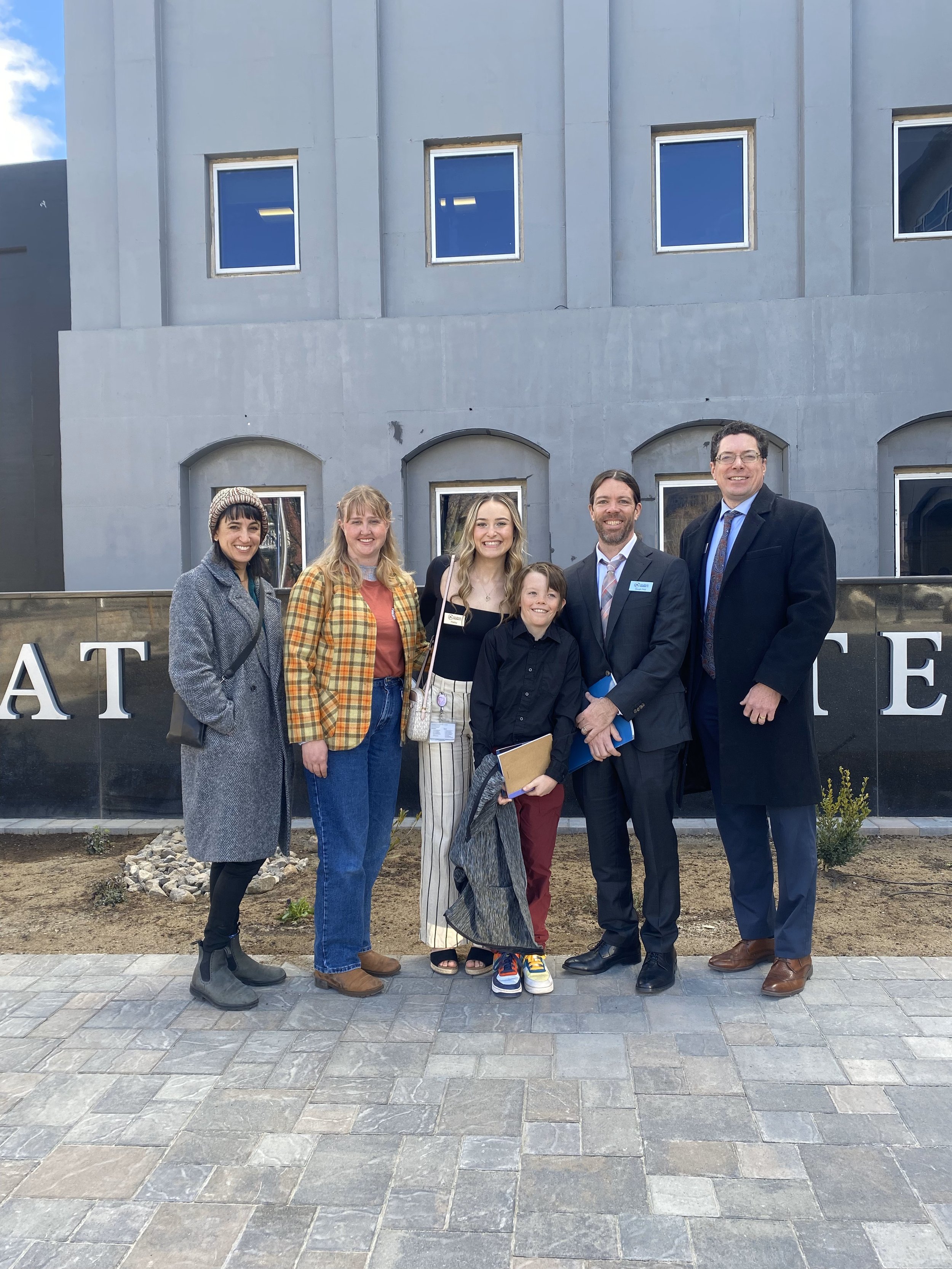
On March 3, CEO Sean Hill and other Sierra Nevada Journeys representatives traveled to Carson City, NV, to testify before the Nevada State Legislature in support of AB 108 — a bill aimed at expanding access to outdoor education by reducing financial and logistical barriers. As Sean stated in his testimony before the Assembly Committee on Ways and Means, “This isn’t just about education. It’s also about Nevada’s economic future. Our state is rapidly growing in clean energy, aerospace, and advanced manufacturing — industries that require a strong STEM workforce. Early hands-on STEM engagement builds curiosity, confidence, and essential life skills such as problem-solving, critical thinking, and collaboration; these are qualities that employers seek.” By ensuring that all students — especially those from low-income communities — have access to hands-on science learning, AB108 will help create a more skilled workforce, more engaged citizens, and a stronger Nevada.
As we prepare for the sixth year of Girls in STEM Camp, happening June 7-8, 2025, we are excited for the opportunities awaiting this year’s participants and the bright futures ahead of them. We encourage you to share this program with the young students in your life who are looking for inspiration in STEM. Additionally, we invite you to learn more about the Nevada Outdoor Education and Recreation Grant Program and the lasting impact it is making on Nevada’s youth.