
What Happens When Science Leaves the Classroom?
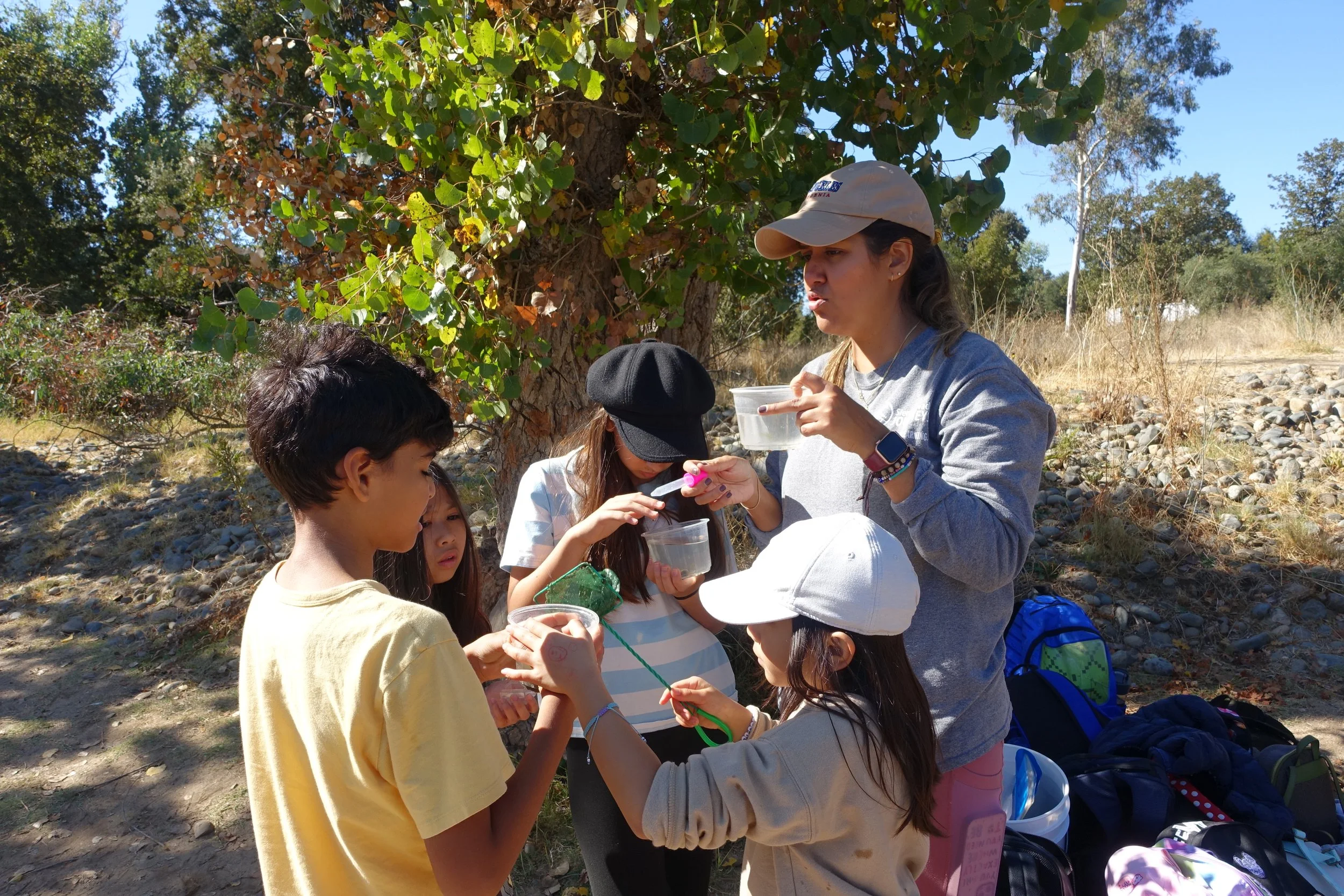
At Sierra Nevada Journeys, we’ve impacted more than 360,000 children through our science-based education programs. These programs help build critical thinking skills and inspire natural resource stewardship.
So what happens when science leaves the classroom?
When kids learn outside, ponds become laboratories, and a rock becomes a story. Questions from a trail might never come up indoors.
Through our school-based programs, students across Northern Nevada and Northern California learn by observing, testing, exploring and figuring things out for themselves.
Teachers begin seeing their familiar students learn in a whole new setting and find ways to bring what they learned back into the classroom.
Kellen, Teacher, Ophir STEAM Academy, described his experience at Overnight Outdoor Learning:
“The curriculum blended learning with hands-on activities. I will be teaching the concepts we learned at camp later this year or next year. I believe this experience established a strong foundation which I can build on in class.”
Science Students See, Touch and Explore
Standing beside the water looking for signs of life feels different when students are learning about ecosystems. When students can pick up a rock, study its features and compare it with what they have learned in class, geology feels different. When what students describe is right in front of them, vocabulary becomes more than notes on a page.
The hands-on nature of the experience is a key strength for teachers who have participated in Sierra Nevada Journeys programs. They tell us they appreciate activities that get students actively involved, opportunities to explore and learn in nature, and lessons that give them a foundation they can continue building on back in the classroom.
Samantha, Teacher, Regency Park Elementary, said,
“Students absolutely loved all the fun games and science talks that took place throughout. They didn’t even realize they were learning because the activities were so enjoyable. They were talking about the adaptations and interesting things they learned out on the trails back at their cabins and during meals.”
Even though outdoor learning is structured, students still have room to wonder and be curious. Questions can lead the group discussion in new directions. A tiny discovery might be the thing everyone remembers, and often, it is something a student might not have noticed on their own.
Veronica, who attended Overnight Outdoor Learning as a Chaperone with Dry Creek Elementary, said,
“When the instructor took us on a night hike, he showed our kids that you don’t need light to observe things at night. He showed us that rubbing two rocks together creates a light effect, which all of the kids had to try for themselves.”
Those moments we treasure.
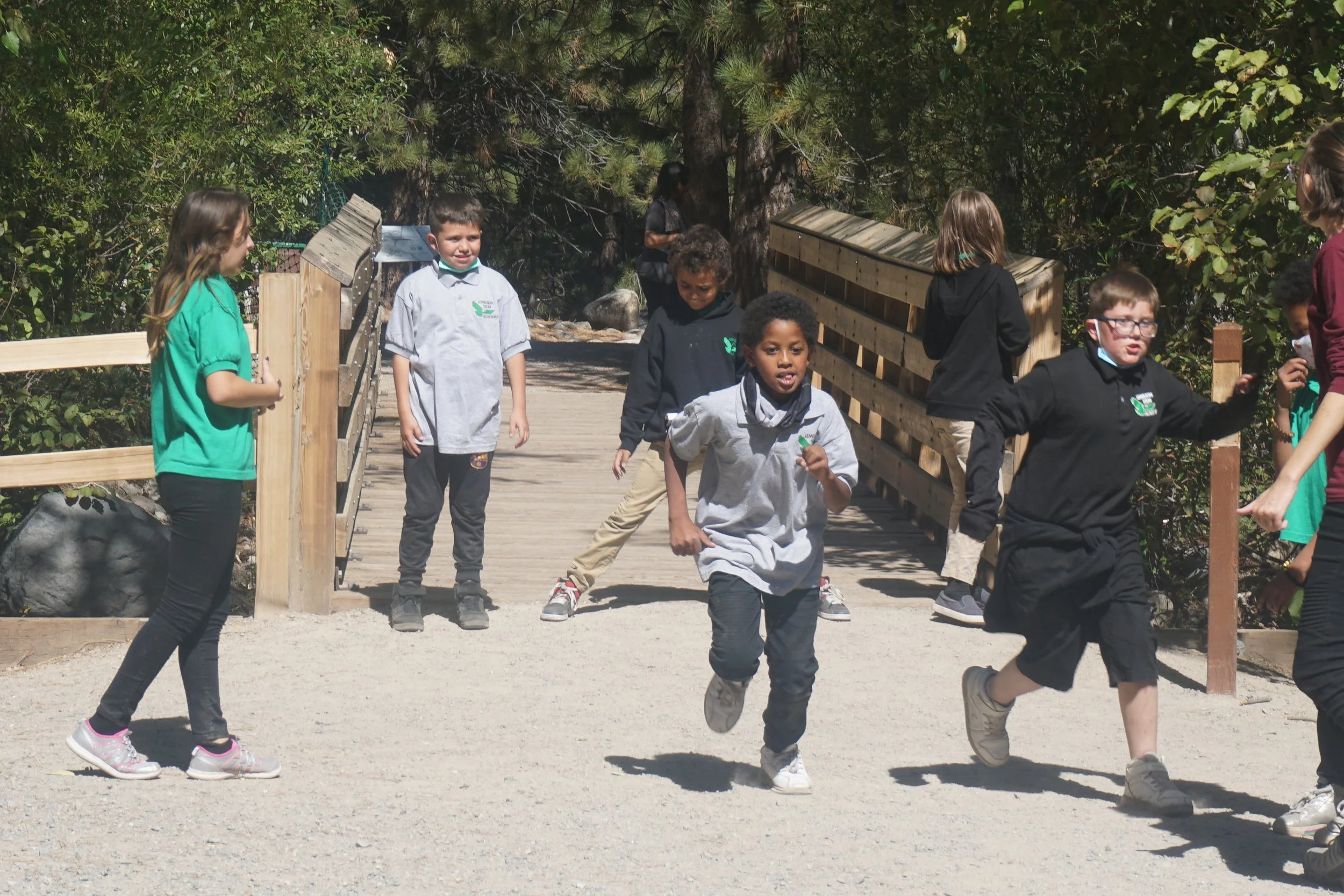
Curiosity Has Room to Grow Outside
Our educators guide students through activities that ask them to observe closely, talk with one another, test ideas and make connections.
Students get muddy, the group might get distracted by an insect, a bird or something moving in the water; and the best part of any lesson begins with, “Wait, what is that?”
A Hunter Lake fifth-grade student captured that excitement perfectly:
“I found a crawdad, and it is so cool because it was just sitting there!”
Learning outside so powerful because of that sense of discovery. Students have the time and space to look closely, follow their curiosity and get excited about what they find.
Top-notch instructors for experiential learning
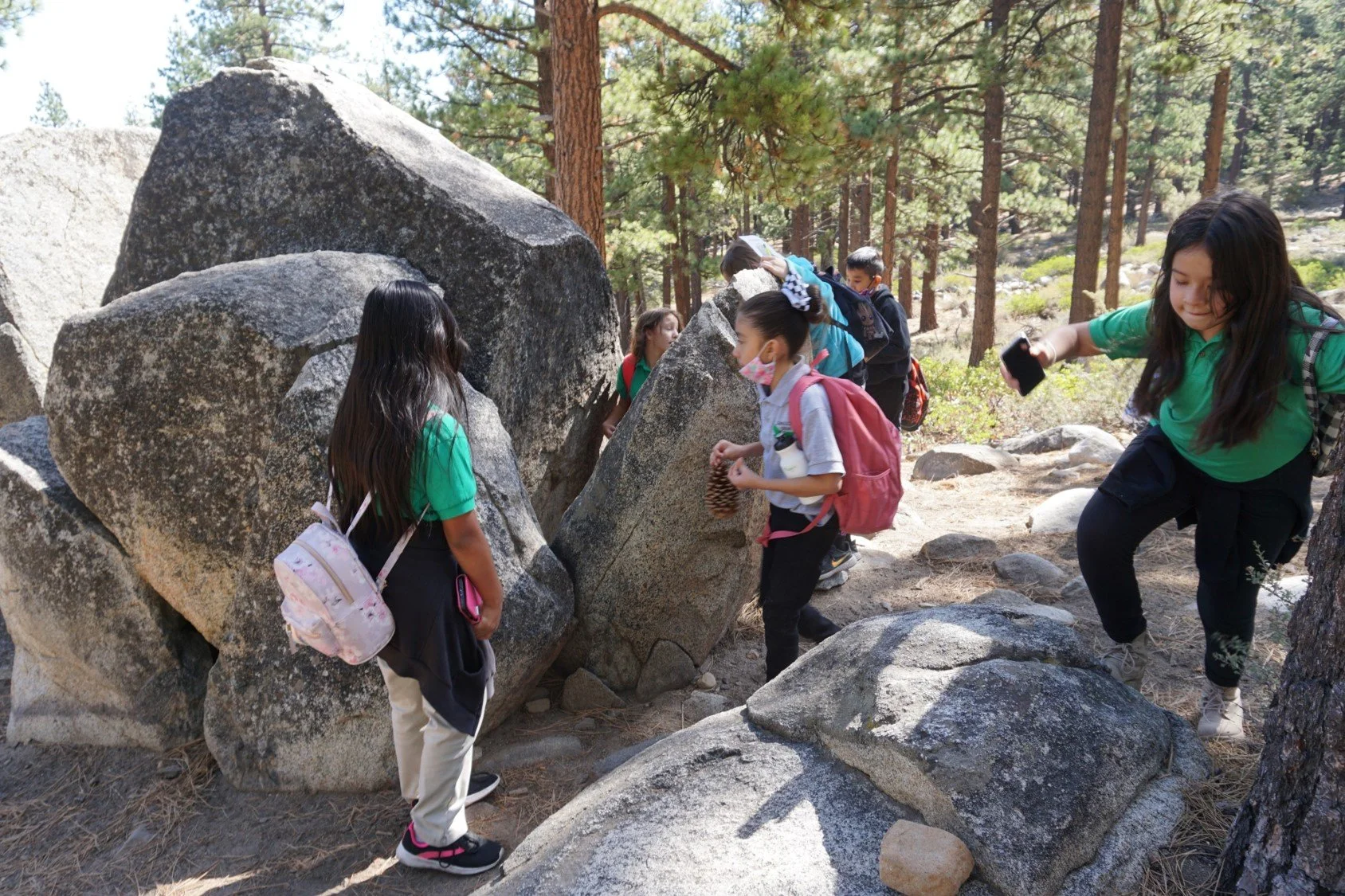
In post-event feedback, our Sierra Nevada Journeys instructors are described as enthusiastic, patient, kind, knowledgeable and engaging, and they have also noted how much students respond to that excitement.
Alex, Teacher, Charles Armstrong School, put it this way:
“We felt that year two with Sierra Nevada Journeys met and exceeded our experience from last year. By far, out of the six-plus camps we have been to with different grade levels and areas of California, Sierra Nevada Journeys has the most well-trained and supportive naturalists.”
In outdoor learning, science becomes something happening around students rather than being taught to them or found only in a textbook,
Shannon, Chaperone at Overnight Outdoor Learning with Ophir STEAM Academy, agrees:
“The kids loved the games and the interactive learning experiences. Thank you for an insightful, fascinating adventure.”
Outdoor Learning Builds Other Skills, Too
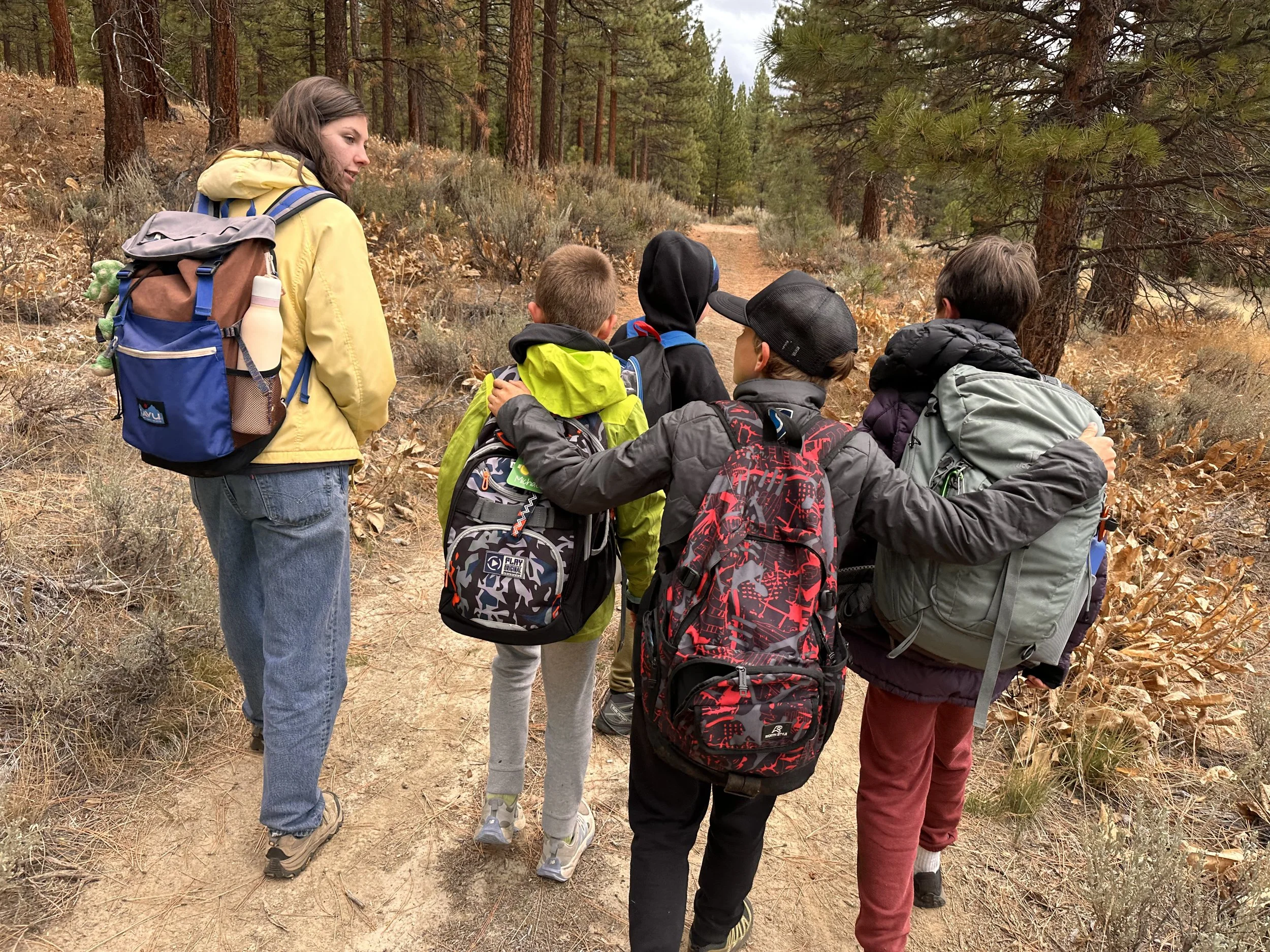
Students practice much more than science along the way:
Teamwork
Listening
Communicating
Decision-making
Taking Turns
Trying new things
Kellen from Ophir STEAM Academy said,
“The instructors did a great job balancing the kids’ engagement while letting them be kids in nature. The fun challenges and activities forced the kids to think and work together.”
Even an activity that might sound boring, like studying rocks, can open the door to communication, mindfulness and empathy. One teacher who participated in Classrooms Unleashed said,
“I really love all the activities, but the ‘Meet a Rock’ activity stands out. I love that it wraps Social Emotional Learning into geology learning by teaching empathy, communication skills, and mindfulness.”
Teachers Get to See Their Students Differently
Watching how their students interact with a new environment gives teachers valuable insights:
A quiet child in the classroom may be the first one to notice a pattern, and classmates respond with new ways to work together.
The student who struggles to sit still in class can become completely absorbed in an activity when they can move, investigate and explore.
Students become scientists, teammates and explorers right before their teachers’ eyes.
One fifth-grade student from Hunter Lake said it best:
“It was extremely fun. My group was awesome, and we discovered many things.”
Bringing the Classroom Outside
Sierra Nevada Journeys creates science experiences that extend learning beyond the traditional classroom and works with schools through programs including Classrooms Unleashed and Family STEM Nights.
These programs offer another way to bring science to life for teachers, and for students, they create something even harder to measure:
When curiosity takes over, or the moment a student finds something and has to show everyone.
When science leaves the classroom, and a teacher hears, “This was the best field trip ever,” or witnesses a child begin to see the outdoors, science or even themselves a little differently.
Learn more about Sierra Nevada Journeys’ science programs for students, like Classrooms Unleashed, Overnight Outdoor Learning and Family STEM Nights and how to bring an outdoor science experience to your students.