What Happens When Science Leaves the Classroom?
At Sierra Nevada Journeys, we’ve impacted more than 360,000 children through our science-based education programs. These programs help build critical thinking skills and inspire natural resource stewardship.
So what happens when science leaves the classroom?
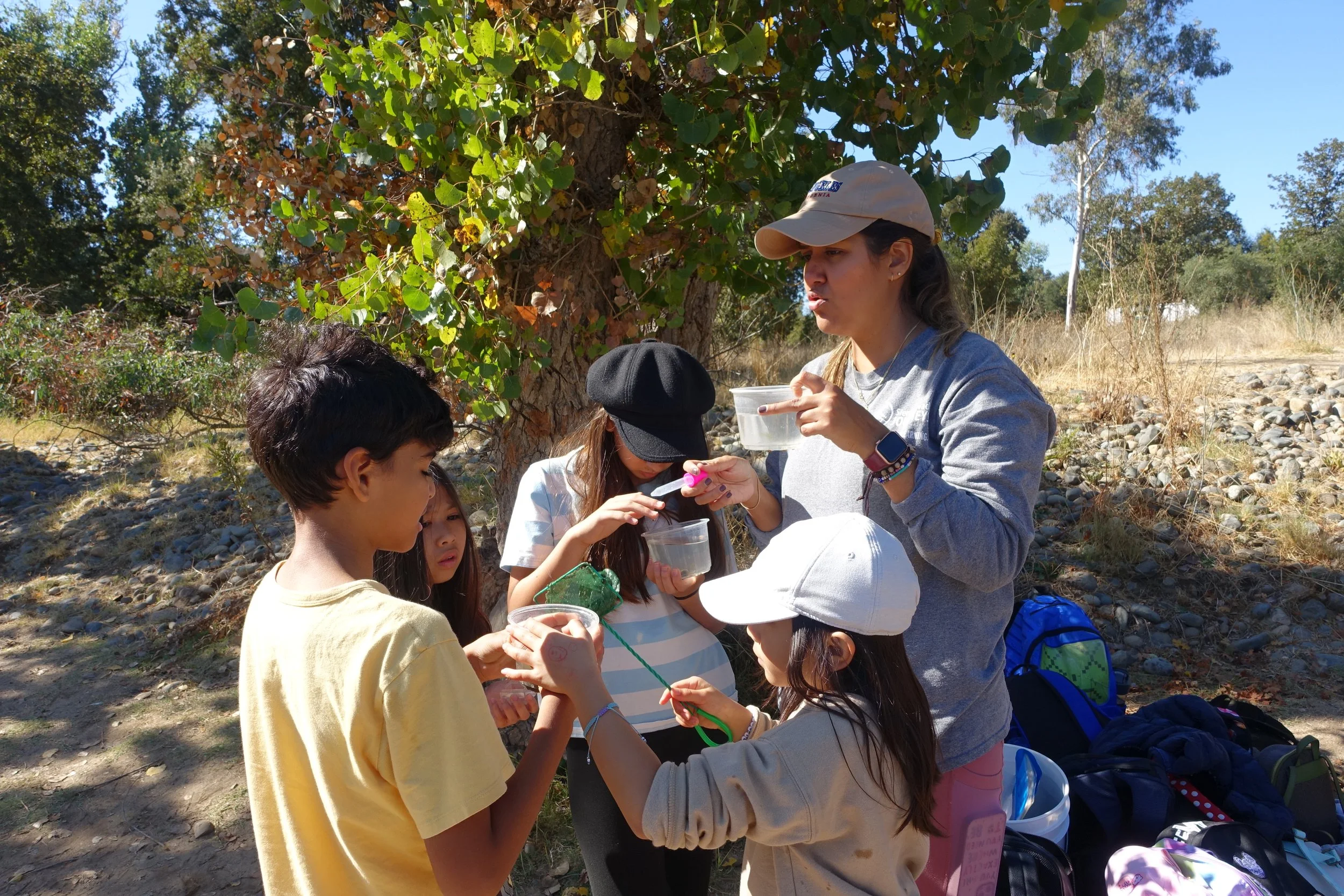
When kids learn outside, ponds become laboratories, and a rock becomes a story. Questions from a trail might never come up indoors.
Through our school-based programs, students across Northern Nevada and Northern California learn by observing, testing, exploring and figuring things out for themselves.
Teachers begin seeing their familiar students learn in a whole new setting and find ways to bring what they learned back into the classroom.
Kellen, Teacher, Ophir STEAM Academy, described his experience at Overnight Outdoor Learning:
“The curriculum blended learning with hands-on activities. I will be teaching the concepts we learned at camp later this year or next year. I believe this experience established a strong foundation which I can build on in class.”
Science Students See, Touch and Explore
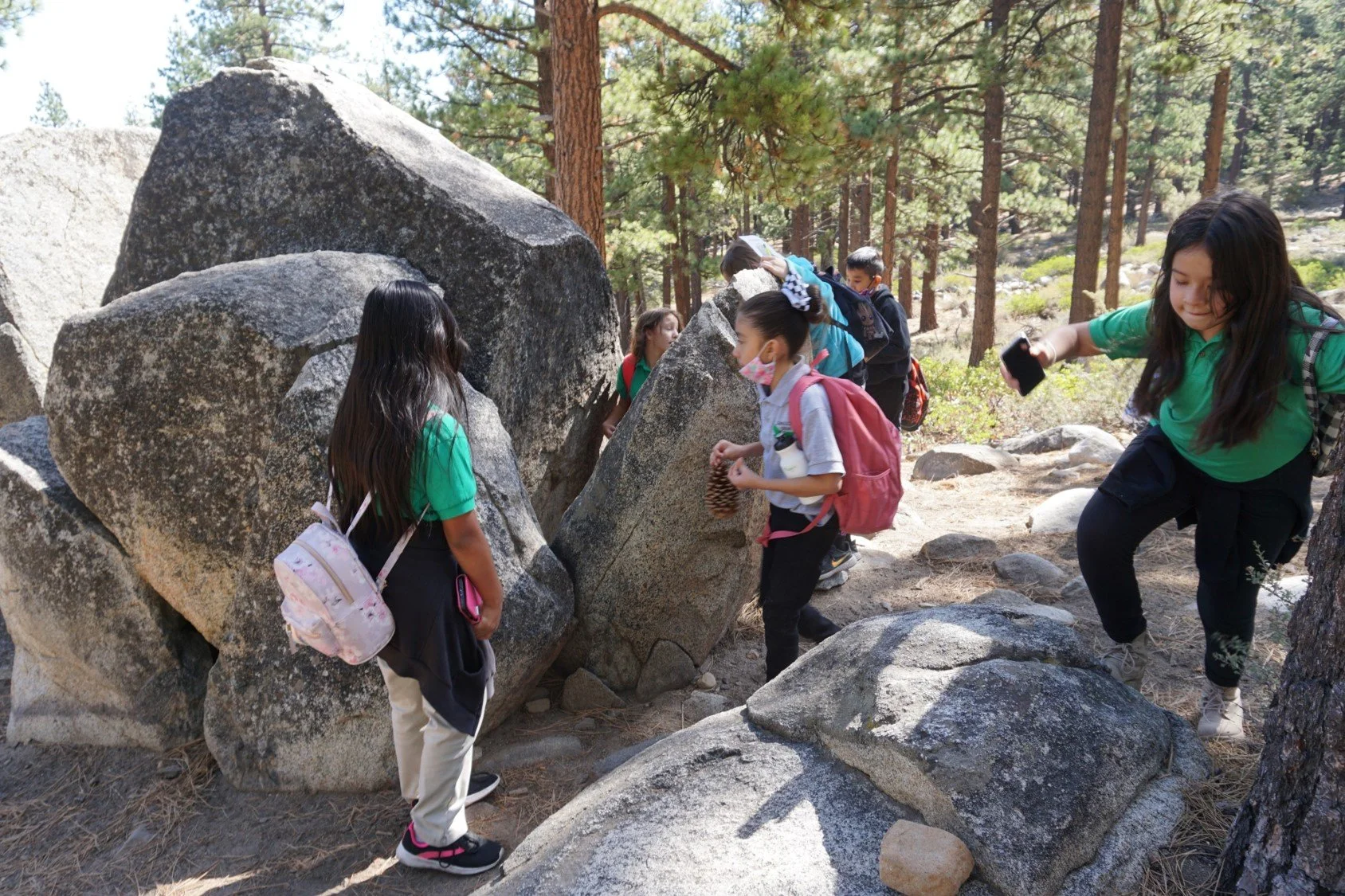
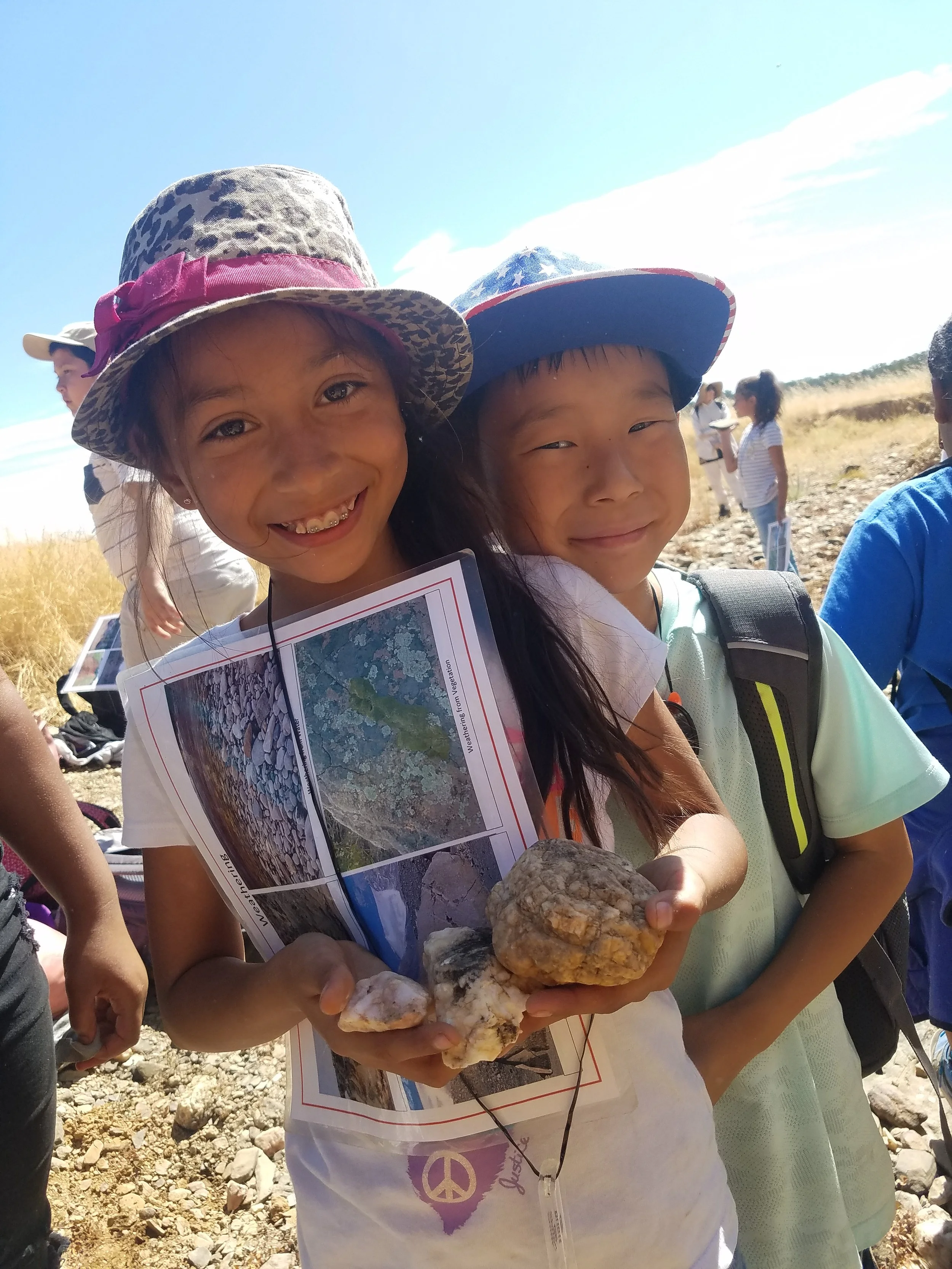
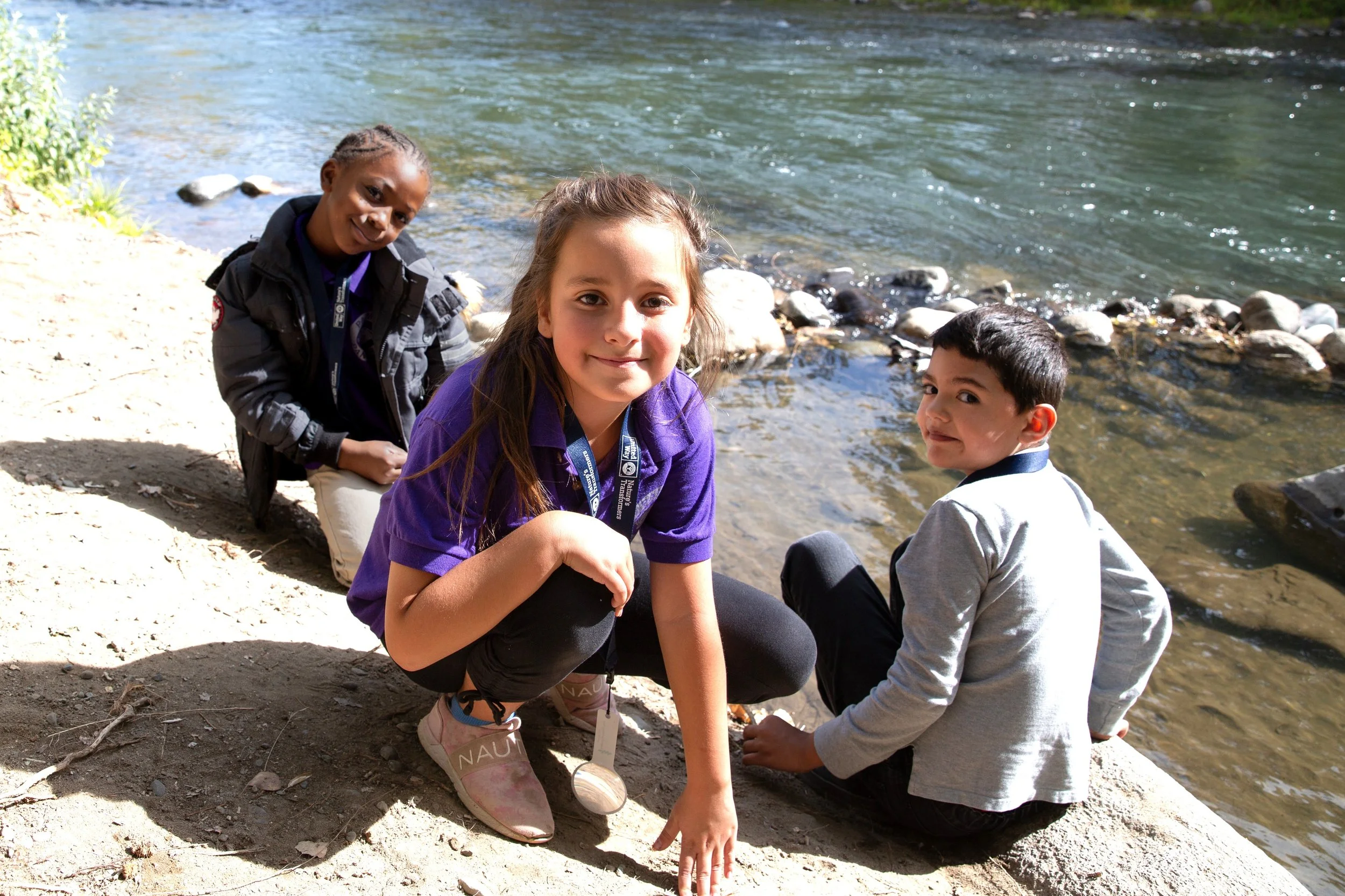
Standing beside the water looking for signs of life feels different when students are learning about ecosystems. When students can pick up a rock, study its features and compare it with what they have learned in class, geology feels different. When what students describe is right in front of them, vocabulary becomes more than notes on a page.
The hands-on nature of the experience is a key strength for teachers who have participated in Sierra Nevada Journeys programs. They tell us they appreciate activities that get students actively involved, opportunities to explore and learn in nature, and lessons that give them a foundation they can continue building on back in the classroom.
Samantha, Teacher, Regency Park Elementary, said,
“Students absolutely loved all the fun games and science talks that took place throughout. They didn’t even realize they were learning because the activities were so enjoyable. They were talking about the adaptations and interesting things they learned out on the trails back at their cabins and during meals.”
Even though outdoor learning is structured, students still have room to wonder and be curious. Questions can lead the group discussion in new directions. A tiny discovery might be the thing everyone remembers, and often, it is something a student might not have noticed on their own.
Veronica, who attended Overnight Outdoor Learning as a Chaperone with Dry Creek Elementary, said,
“When the instructor took us on a night hike, he showed our kids that you don’t need light to observe things at night. He showed us that rubbing two rocks together creates a light effect, which all of the kids had to try for themselves.”
Those moments we treasure.
Curiosity Has Room to Grow Outside
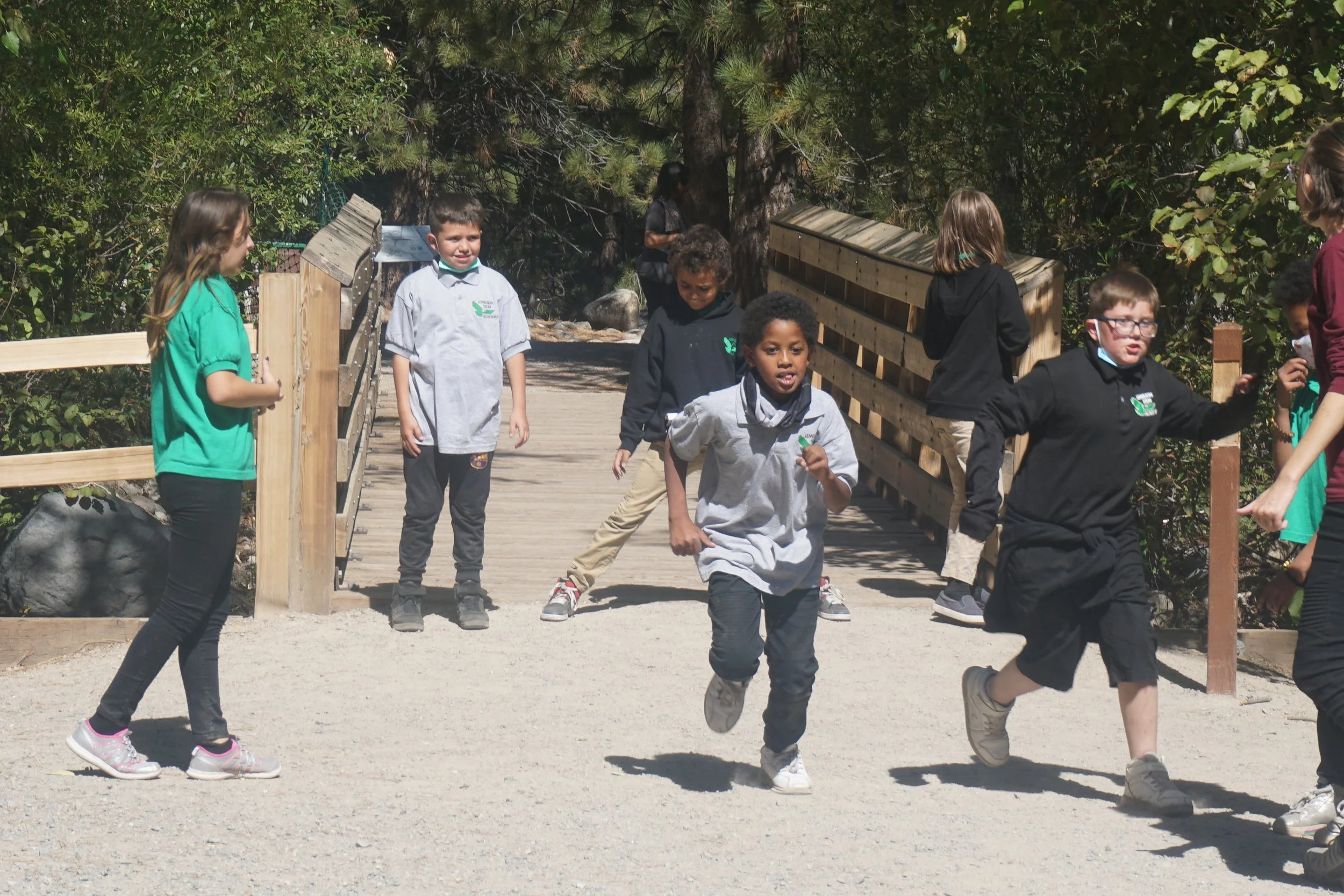
Our educators guide students through activities that ask them to observe closely, talk with one another, test ideas and make connections.
Students get muddy, the group might get distracted by an insect, a bird or something moving in the water; and the best part of any lesson begins with, “Wait, what is that?”
A Hunter Lake fifth-grade student captured that excitement perfectly:
“I found a crawdad, and it is so cool because it was just sitting there!”
Learning outside so powerful because of that sense of discovery. Students have the time and space to look closely, follow their curiosity and get excited about what they find.
Top-notch instructors for experiential learning
In post-event feedback, our Sierra Nevada Journeys instructors are described as enthusiastic, patient, kind, knowledgeable and engaging, and they have also noted how much students respond to that excitement.
Alex, Teacher, Charles Armstrong School, put it this way:
“We felt that year two with Sierra Nevada Journeys met and exceeded our experience from last year. By far, out of the six-plus camps we have been to with different grade levels and areas of California, Sierra Nevada Journeys has the most well-trained and supportive naturalists.”
In outdoor learning, science becomes something happening around students rather than being taught to them or found only in a textbook,
Shannon, Chaperone at Overnight Outdoor Learning with Ophir STEAM Academy, agrees:
“The kids loved the games and the interactive learning experiences. Thank you for an insightful, fascinating adventure.”
Outdoor Learning Builds Other Skills, Too
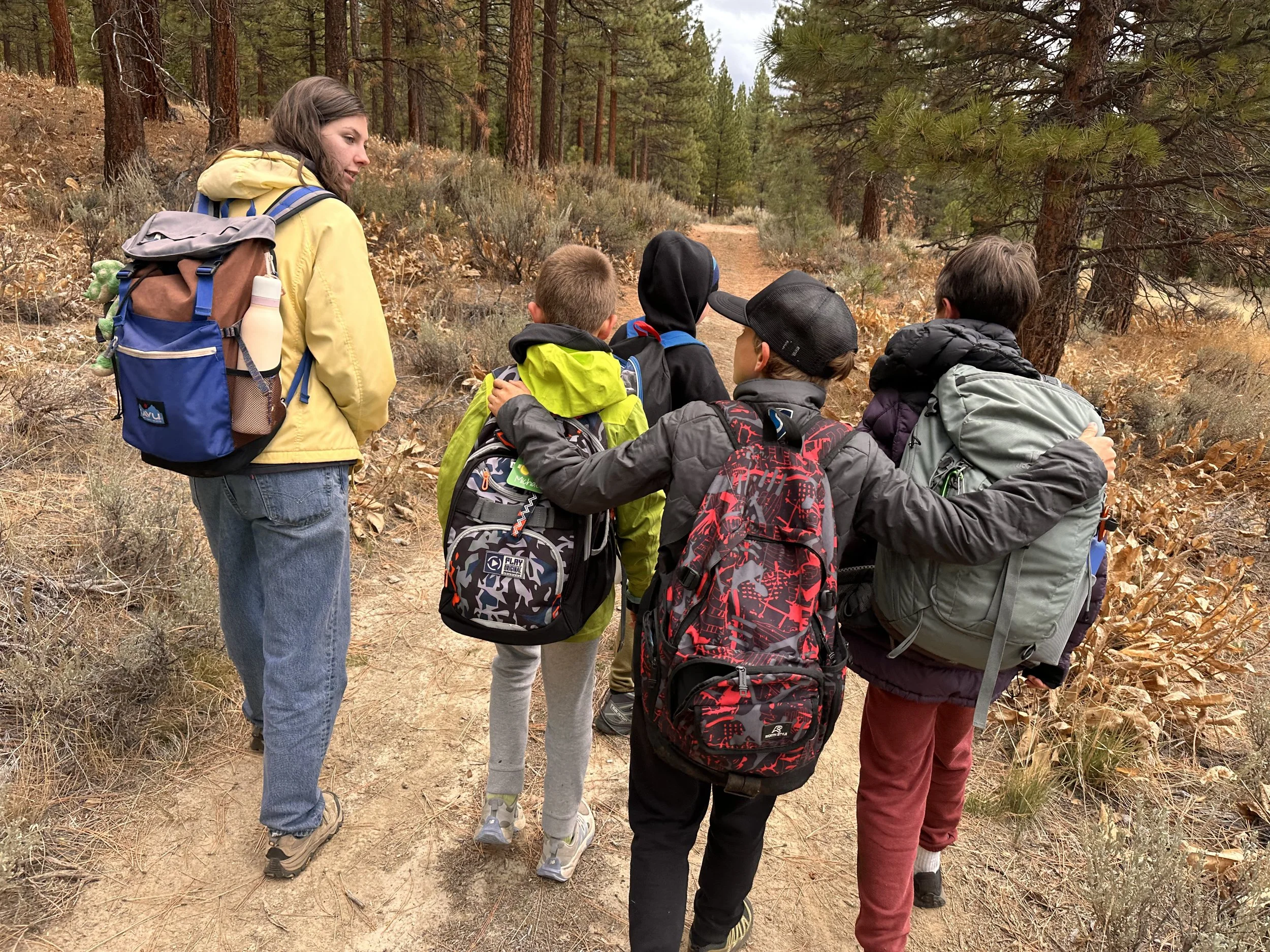
Students practice much more than science along the way:
Teamwork
Listening
Communicating
Decision-making
Taking Turns
Trying new things
Kellen from Ophir STEAM Academy said,
“The instructors did a great job balancing the kids’ engagement while letting them be kids in nature. The fun challenges and activities forced the kids to think and work together.”
Even an activity that might sound boring, like studying rocks, can open the door to communication, mindfulness and empathy. One teacher who participated in Classrooms Unleashed said,
“I really love all the activities, but the ‘Meet a Rock’ activity stands out. I love that it wraps Social Emotional Learning into geology learning by teaching empathy, communication skills, and mindfulness.”
Teachers Get to See Their Students Differently
Watching how their students interact with a new environment gives teachers valuable insights:
A quiet child in the classroom may be the first one to notice a pattern, and classmates respond with new ways to work together.
The student who struggles to sit still in class can become completely absorbed in an activity when they can move, investigate and explore.
Students become scientists, teammates and explorers right before their teachers’ eyes.
One fifth-grade student from Hunter Lake said it best:
“It was extremely fun. My group was awesome, and we discovered many things.”
Bringing the Classroom Outside
Sierra Nevada Journeys creates science experiences that extend learning beyond the traditional classroom and works with schools through programs including Classrooms Unleashed and Family STEM Nights.
These programs offer another way to bring science to life for teachers, and for students, they create something even harder to measure:
When curiosity takes over, or the moment a student finds something and has to show everyone.
When science leaves the classroom, and a teacher hears, “This was the best field trip ever,” or witnesses a child begin to see the outdoors, science or even themselves a little differently.
Learn more about Sierra Nevada Journeys’ science programs for students, like Classrooms Unleashed, Overnight Outdoor Learning and Family STEM Nights and how to bring an outdoor science experience to your students.
Take Learning Outside: Why Hands-On Science Makes an Impact
A new school year brings fresh notebooks, new routines and plenty of time in the classroom.
It also brings a new season of opportunities to explore.
At Sierra Nevada Journeys, we see what happens when students get the chance to see, touch, test and investigate the science they are learning. A rock becomes something to study. A pond becomes a site for data collection. A walk through a park can lead to questions about plants, wildlife, weather, water and the changing seasons.
Science starts to feel less like something students read about and more like something happening all around them.
That is the idea behind Sierra Nevada Journeys’ school-year science programs. And as students and teachers settle into a new year, it is a great time to start planning experiences that get kids learning, exploring and asking questions together.
Why Take Science From the Classroom Into the Field?
Classrooms Unleashed combines a hands-on classroom lesson with an outdoor field study, giving students the opportunity to build science concepts and then apply them in the real world.
Lessons are grade-level-specific, aligned with Next Generation Science Standards, and designed to actively engage students. They observe. They build. They test ideas. They work together. They use new vocabulary and begin connecting classroom concepts to the places around them.
That local connection matters.
In Sacramento, for example, Sierra Nevada Journeys partnered with the Language Academy to offer lessons centered on salmon and their role in local ecosystems. Students explored migration patterns, created a mural that stretched nearly the length of the classroom, built dioramas of salmon habitat and even wrote and performed stories using a larger-than-life puppet theater.
A lesson about ecology became something students could build, draw, discuss and connect to the watershed where they live.
That is the kind of learning Classrooms Unleashed is built to create.
Last year,9,367 students in 121 classrooms participated in Classrooms Unleashed.
Student assessments also showed measurable growth. Average scores measuring understanding of outdoor science concepts increased from 50% before the program to 75% afterward, a 25-point gain.
Sixty-nine percent of participating students said they are more comfortable being outside in natural spaces, and 65% said they want to learn more about science.
Teachers see the difference, too.
One told us:
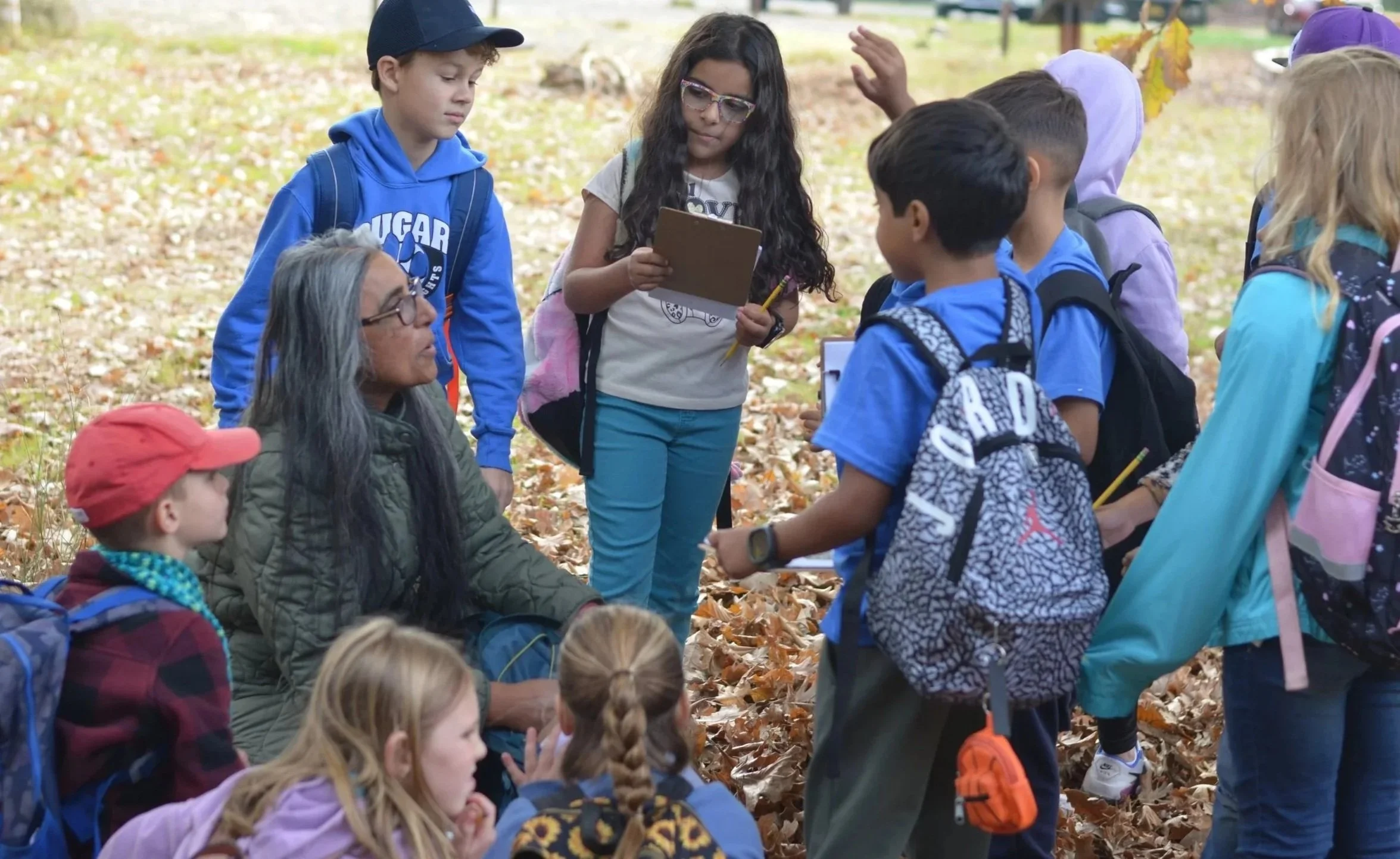
“The kids said this was the best field trip ever!”
Another shared:
“I just enjoy watching my kids enjoy learning.”
That second comment may be one of our favorites because it captures something numbers cannot.
When kids enjoy learning, they lean in. They ask another question. They want to see what is under the next rock or figure out why something happened. They begin to see themselves as people who can do science.
Additionally, 98% of teachers said Classrooms Unleashed improved students’ understanding of science standards, while 100% said Sierra Nevada Journeys programs helped students build critical-thinking skills.
Classrooms Unleashed was also redesigned to better support teachers, including a simpler booking process and a single point of contact. We want the experience to work well for the adults coordinating it, too.
Why Bring the Whole School Community Into the Fun?
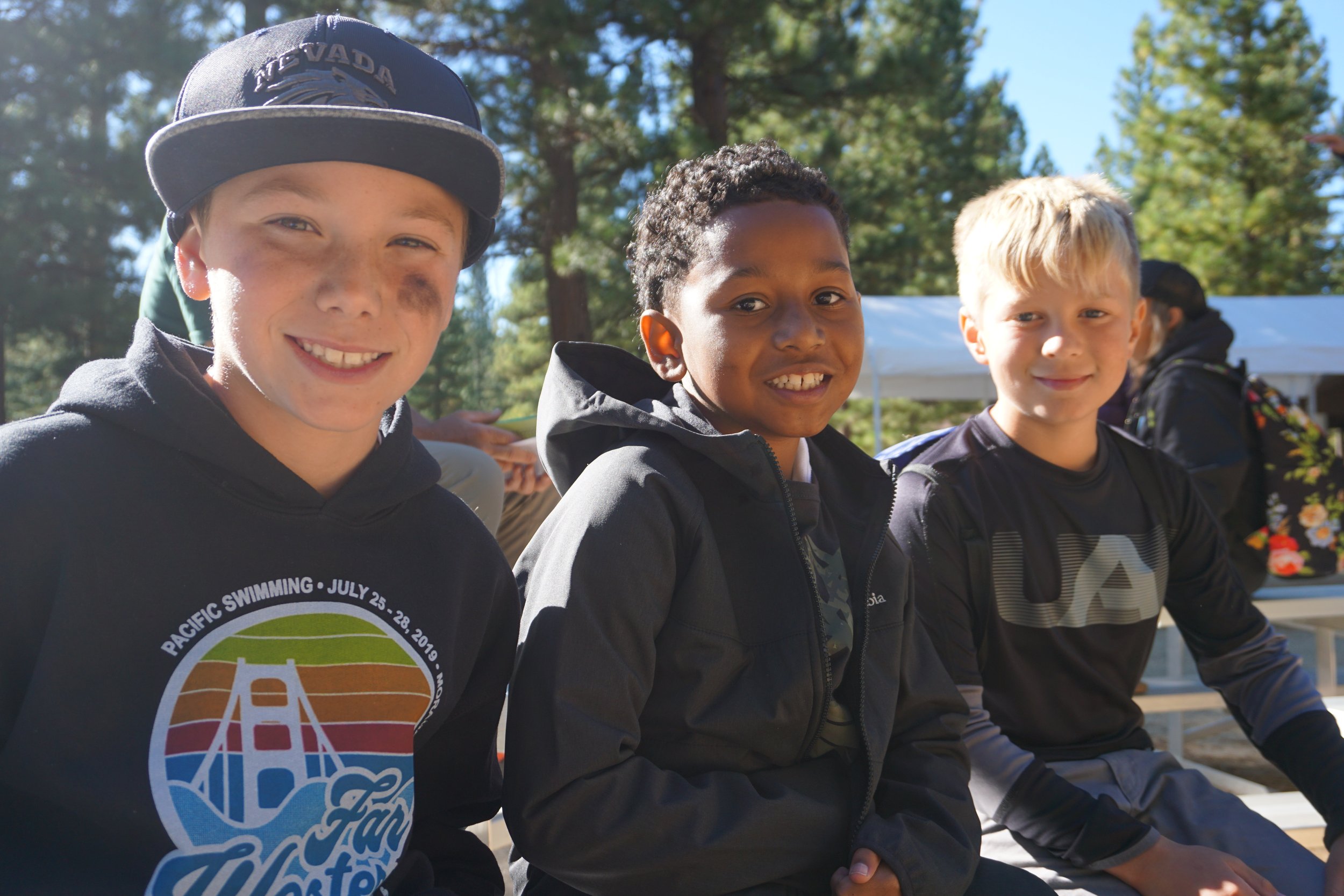
Back-to-school season is also about rebuilding connections.
Students reconnect with friends and teachers. Families learn new routines. Schools welcome parents and caregivers back for open houses, family events and the beginning of another year together.
That makes fall a great time for a Sierra Nevada Journeys Family STEM Night.
Family STEM Nights transform a school evening into a hands-on science experience for students and the people who care for them. Families move through interactive stations and tackle activities together, from engineering challenges to experiments that invite them to build, problem-solve and play.
Students may design lunar landers, build spaghetti towers or test wind-powered cars. Many activities are language-neutral, giving families another way to participate and learn together across language differences.
And the students often get a chance to become the experts.
Parents and caregivers get to watch their kids approach a problem, test an idea and try again. Students get to share what they know. Teachers and school leaders have a chance to engage families outside the regular classroom routine.
Last year, Sierra Nevada Journeys held 76 Family STEM Nights serving 6,911 children and parents.
Those numbers represent thousands of families spending an evening learning together.
For schools looking for a way to kick off the year, build family connection or add something memorable to an open house or school community event, a Family STEM Night can bring everyone together around something kids already do naturally: wonder, experiment and play.
Why is September a Great Time to Learn Outside?
Fall gives young scientists plenty to notice as nature itself changes.
Days get shorter. Temperatures begin to shift. Plants change. Seeds move. Wildlife activity changes. The same schoolyard, park or nature area students saw a few months ago may suddenly offer something new to investigate.
You do not need to travel deep into the wilderness to practice science.
Start with what is nearby.
What changed since yesterday?
What lives here?
What signs of wildlife can you find?
Why do these plants grow here?
Where does this water go?
What do you notice when you stop and look closely?
Those questions can turn an ordinary walk outside into a science lesson.
What Kind of Learning Can Students Carry With Them?
Sierra Nevada Journeys’ science programs are built to strengthen students' understanding of science while helping them practice critical thinking, teamwork and connection with the natural world.
That can happen while testing water during a field study.
It can happen while two students work together to solve an engineering problem.
It can happen when a child notices an insect they have never seen before and wants to know its name.
Or it can happen during a Family STEM Night when a student and caregiver stand over a project together and decide, “Let’s try it one more time.”
Those moments matter because science asks kids to stay curious.
To observe.
To make a prediction.
To test it.
To learn from what happened.
To try again.
Those are useful skills in science, in school and far beyond either one.
How to Start the School Year With Curiosity?
As classrooms settle into new routines this fall, make some room for discovery.
Classrooms Unleashed helps students take grade-level science from the classroom into nearby outdoor spaces, where they can observe, test and explore what they are learning.
Family STEM Nights bring students, families and school communities together for an evening built around hands-on science, teamwork and fun.
Both start with the same simple idea:
Kids learn by doing.
Teachers and school leaders, now is a great time to begin planning your fall and school-year programs with Sierra Nevada Journeys.
Bring science to life in the classroom.
Take learning outside.
Invite families into the experience.
And see where one good question can lead. If you’re an educator and would like to learn more about our programs, please feel free to contact us!
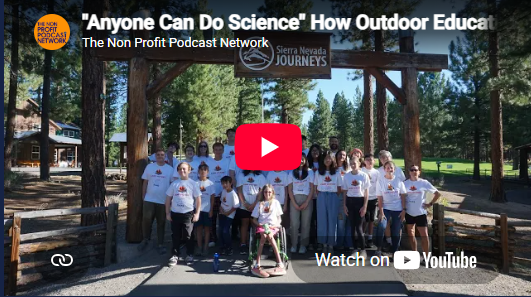
Sierra Nevada Journeys: Where the Classroom Has No Walls
Listen to a recent episode of the Nonprofit Podcast Network, in which CEO Sean Hill and Advancement Officer Corrie Calderon share the story behind Sierra Nevada Journeys and the powerful role that outdoor experiences can play in a child’s education.
What happens when a child who has spent most of their life surrounded by buildings and pavement suddenly finds themselves standing beside a river, watching wildlife, or exploring a forest?
For Sierra Nevada Journeys, that question is at the heart of nearly 20 years of outdoor science education.
The conversation begins with a seemingly simple question from a student at Lake Tahoe: “Are there sharks in that ocean?” For Sierra Nevada Journeys, the question became a powerful reminder that proximity to nature does not necessarily mean access to it. A child can live just hours from the Sierra Nevada and still have little opportunity to experience a river, forest or mountain firsthand.
That realization reflects the organization's larger mission: making outdoor science education accessible to young people who might otherwise never have the opportunity. Through programs such as Classrooms Unleashed and Overnight Outdoor Learning, students don't just read about science; they investigate it. They touch, observe, question, experiment, and discover the natural world for themselves.
The podcast also highlights why Sierra Nevada Journeys views outdoor education as an equity issue as much as an educational one. Transportation, program costs, and access to nature can all be barriers for families and schools. Removing those barriers allows more students, including those from underserved communities, to experience the confidence and curiosity that can come from learning outdoors.
And sometimes, the impact of a single experience is immediate.
Corrie shares the story of a student who arrived for a field experience disengaged and resistant to participating. But after encountering wildlife and experiencing the outdoors firsthand, the student's attitude changed. The experience opened the door to curiosity and joy, illustrating how a few hours outside can change the way a young person sees both the world and themselves.
Sean also reflects on the longer-term impact of these experiences, including the story of a former fifth-grade participant whose time with Sierra Nevada Journeys may have helped influence her future academic path. These stories demonstrate that the organization's impact isn't limited to what happens during a field trip or week at camp. The goal is to plant seeds of curiosity, confidence, and connection that can continue to grow long after students return home.
The conversation also looks toward the future. Sierra Nevada Journeys now stewards approximately 1,500 acres of Sierra Nevada land, creating an extraordinary living classroom for generations of students. The organization's recent partnership with Feather River Land Trust added 1,025 acres of permanently conserved land adjacent to its campus, expanding the possibilities for outdoor education while protecting the landscape itself.
Ultimately, the podcast tells a story about access to nature, to science, to meaningful learning experiences, and to the confidence that comes from trying something new.
Sierra Nevada Journeys' work is built on a simple but powerful idea: some of the most important learning happens when children step outside the four walls of the classroom. By giving young people the chance to explore, ask questions, and experience the natural world firsthand, Sierra Nevada Journeys is helping create a generation of more curious, confident, and connected learners.
Back to School, Back Outside
Why outdoor learning belongs in the school year
August always feels like a shift. Summer stories turn into first-day-of-school conversations.
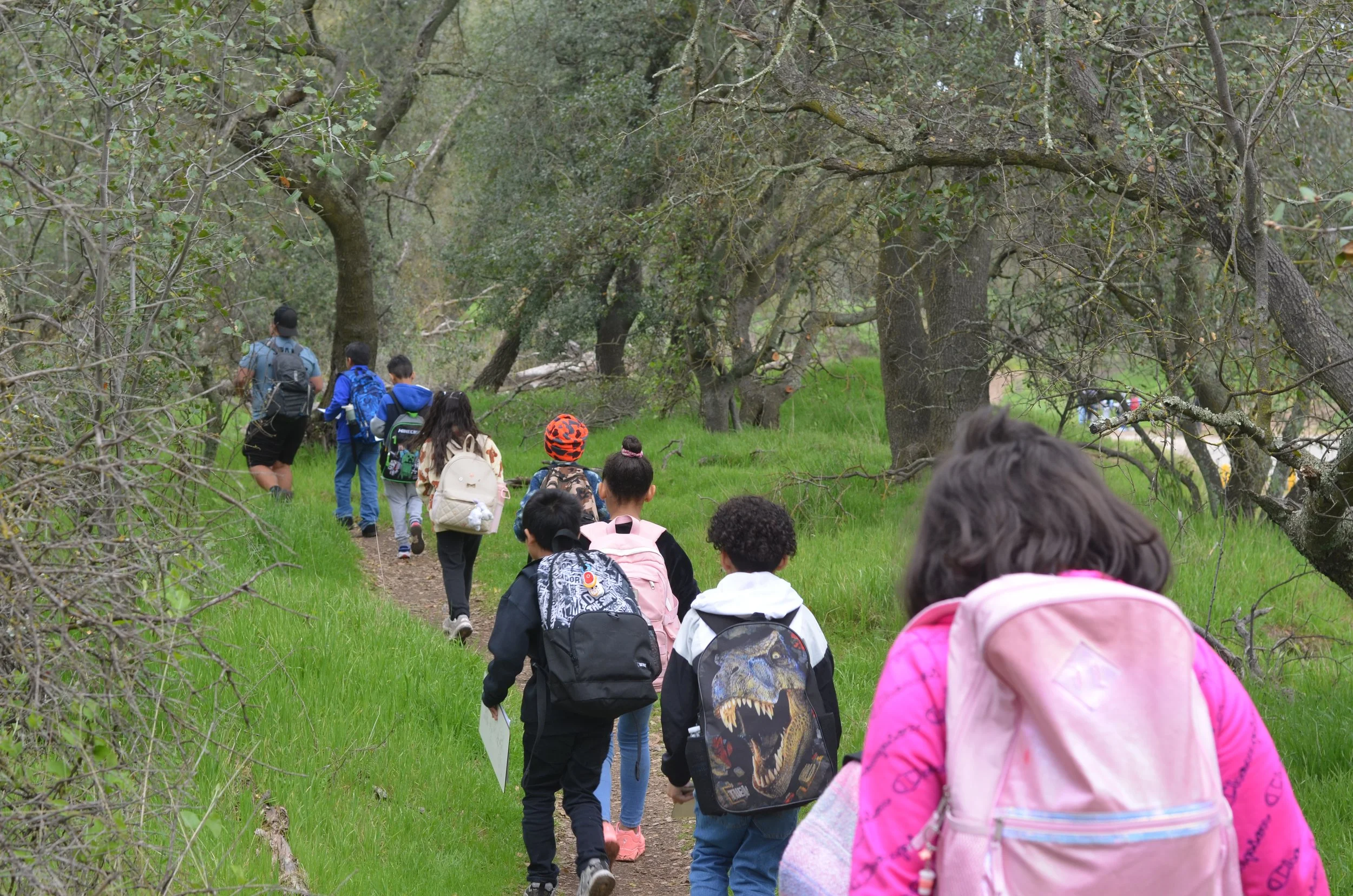
Camp backpacks get replaced by school backpacks. Families start checking supply lists. Teachers return to classrooms, calendars and lesson plans.
But going back to school does not have to mean leaving outdoor learning behind.
At Sierra Nevada Journeys, we believe some of the most meaningful learning happens when students can move, explore, ask questions, and experience science in the world around them. A new school year offers a fresh opportunity to help students build curiosity, confidence, and connections to nature, both inside and outside the classroom.
That matters for students, teachers and families. It also matters for the communities helping make these experiences possible.
Outdoor learning helps students re-engage
The start of a school year can bring a lot of emotions.
Some students are excited. Some are nervous. Some need time to settle back into routines. Many are still carrying the energy of summer, and they learn best when they can use that energy in positive, hands-on ways.
Outdoor science education gives students a chance to do just that.
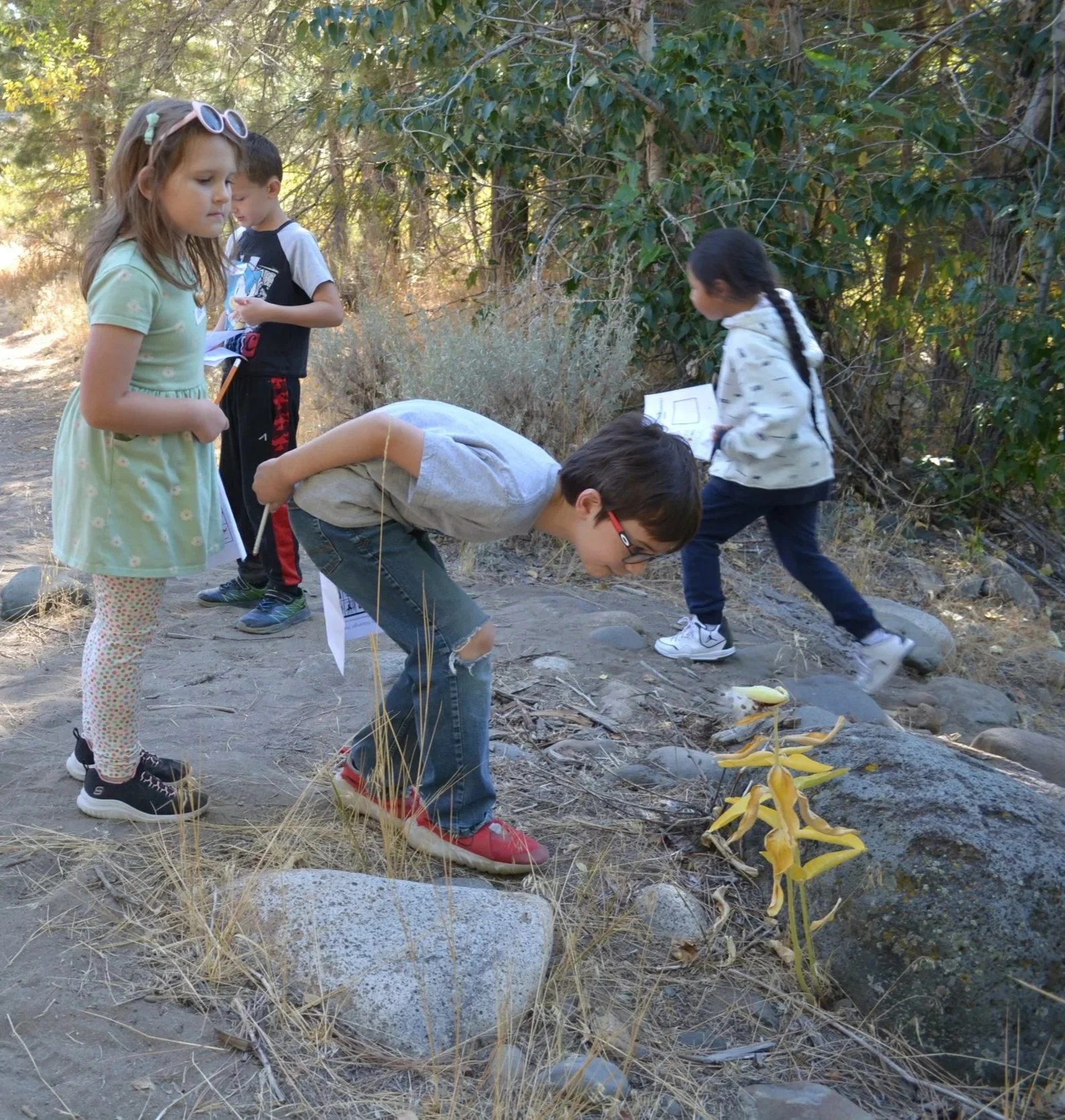
Instead of only reading about ecosystems, they can observe them. Instead of memorizing concepts, they can test ideas, ask better questions and work through problems with their peers. Science becomes something they can see, touch and understand.
Students tell us this kind of learning feels different. After one field trip, a student wrote:
“I love nature and want to explore more!”
Another student said a rock lesson helped them see themselves differently:
“I feel now like a real geologist.”
Those are small sentences with a big message. Outdoor learning helps students move from watching science happen to seeing themselves as part of it.
It also helps them connect with each other. When students build, hike, explore, measure, observe and reflect together, they practice teamwork, communication and problem-solving. These are skills they carry back into the classroom long after the outdoor lesson ends.
A great learning environment can change a child’s whole day
This summer, one Day Camp parent shared a review that reminded us why the right environment matters so much.
Their child had started the summer at another local camp and was struggling. The experience was not the right fit. After switching to Sierra Nevada Journeys Day Camp, the parent shared that their child spent the next three weeks excited to be dropped off and came home happier.
They described the camp as “wonderful and engaging” and shared that their child had not picked up an iPad once. Instead, their camper spent the summer participating in educational activities, hands-on fun and outdoor exploration.
That is what we hope every child feels when they join us.
Students have shared the same kind of reaction after Sierra Nevada Journeys field trips, classroom experiences and camps. One student wrote:
“I love science, learning, and seeing insects and animals. And I like learning with you guys!”
That is the kind of confidence Sierra Nevada Journeys works to build. Day Camp is not simply a place for kids to spend time while school is out. It is a place where they can feel welcomed, supported and encouraged to try something new. It is a place where learning feels active and joyful. It is a place where confidence can grow one day at a time.
As students return to school, those same principles still matter.
Kids thrive when they feel safe, seen and engaged. They learn more deeply when curiosity leads the way. They build confidence when adults create spaces where trying, wondering and making mistakes are all part of the process.
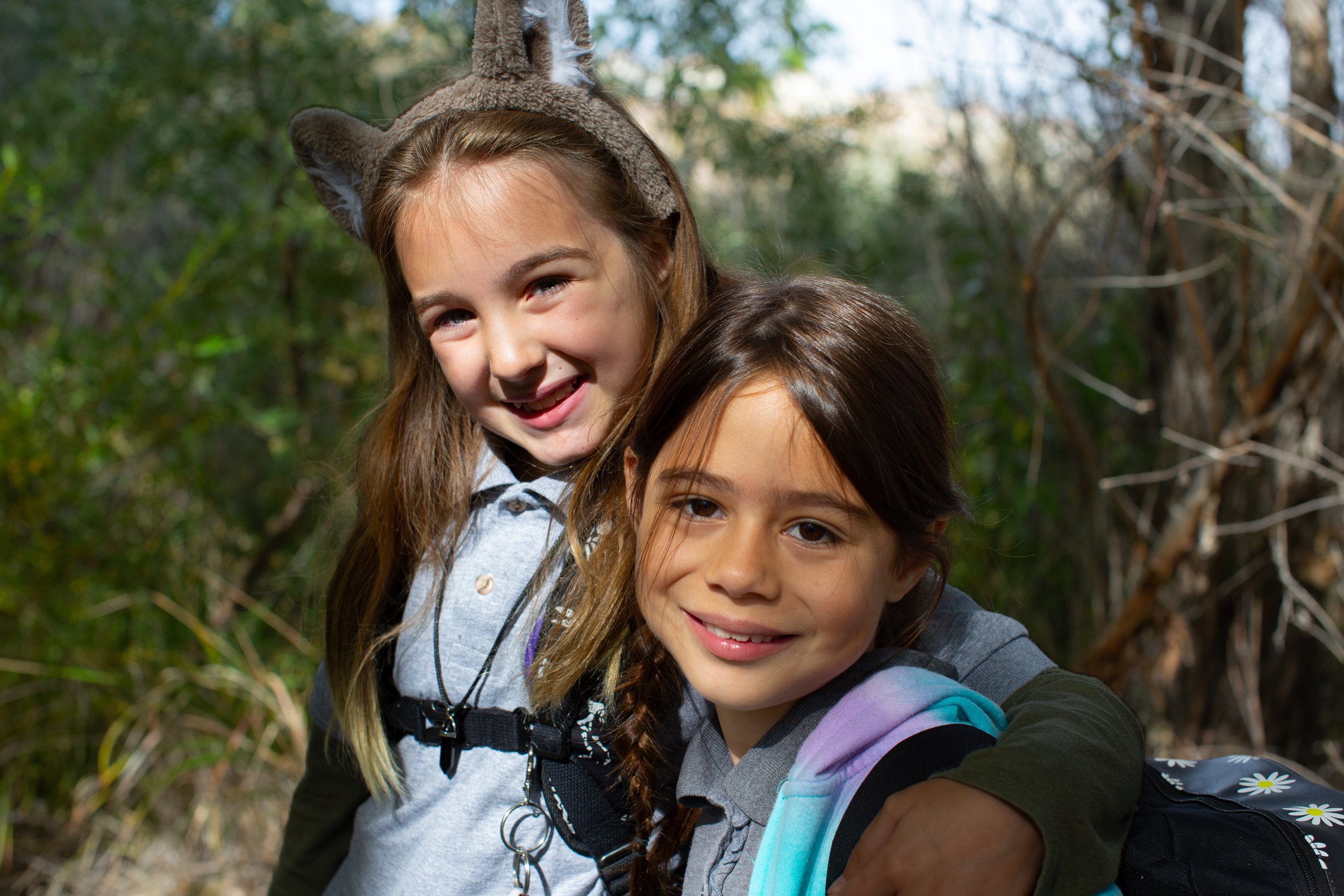
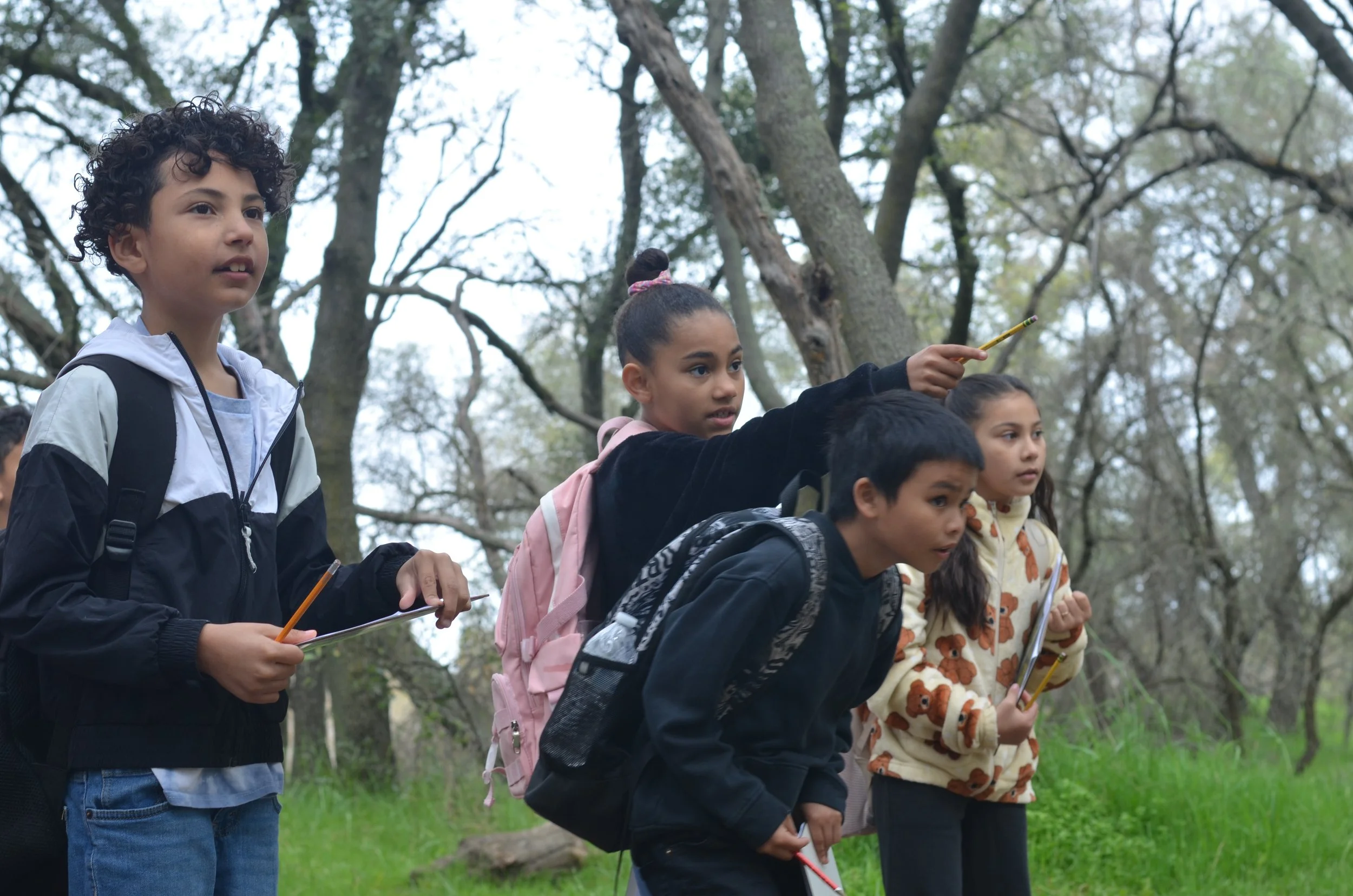
Teachers can bring outdoor science into the school year
Back-to-school season is also a good time for teachers and school leaders to think about how outdoor learning can support their goals for the year.
Sierra Nevada Journeys offers school-year programs that help bring science to life for students across Northern Nevada and Northern California.
Classrooms Unleashed brings hands-on science into classrooms and nearby nature areas, helping students connect classroom concepts to the world around them.
Family STEM Nights bring students, families and school communities together for fun, welcoming science activities after the school day.
Overnight Outdoor Learning gives students a deeper outdoor school experience at Camp, where they can explore science, build friendships and grow through time spent in nature.
These programs are built to support teachers, not add more to their plates. They help students experience science in ways that feel real, active and memorable.
Teachers and chaperones see that impact firsthand. One teacher shared:
“The science curriculum at Sierra Nevada Journeys was engaging and hands-on, giving students a meaningful and memorable learning experience.”
Another teacher described how the experience supports classroom learning beyond the trip:
“The curriculum blended learning with hands-on activities. I believe this experience established a strong foundation which I can build on in class.”
A teacher also noted that the program encouraged students to work as teams while practicing critical thinking and problem-solving.
A teacher once told us, “I just enjoy watching my kids enjoy learning.”
That sentence says so much.
When students enjoy learning, they participate differently. They ask different questions. They take more ownership of what they discover. Outdoor science education helps create those moments.
Connection is part of the learning
Outdoor learning also gives students a different way to build relationships.
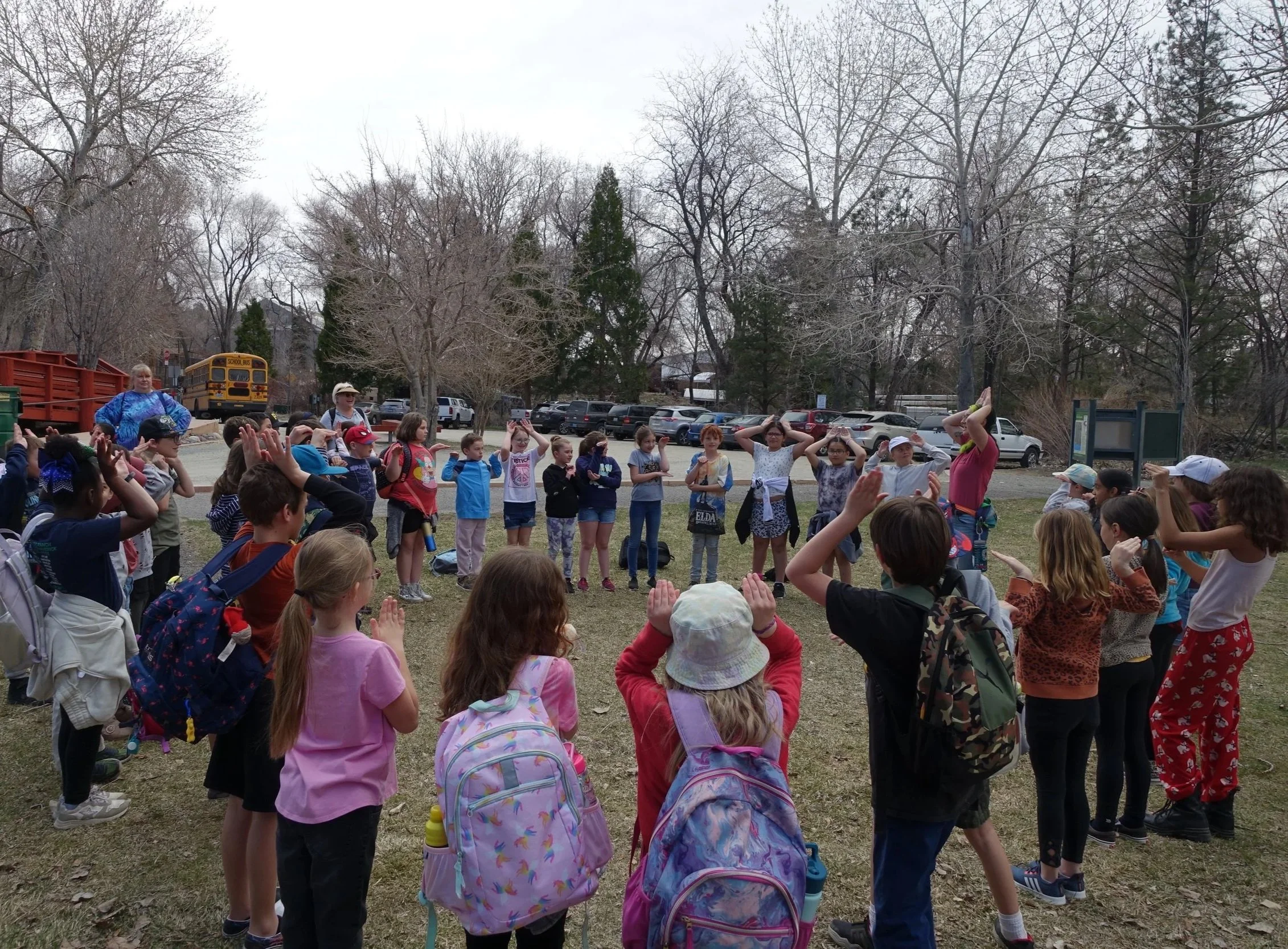
During Overnight Outdoor Learning, students share cabins, meals, hikes, lessons, group challenges and quiet moments in nature. They practice listening, trying again, encouraging others and trusting themselves.
One chaperone said the games used to build trust and help students work together were “perfect.” Another shared that an instructor taught students, encouraged them and guided them “to be leaders and work together.”
Those are school-year skills. They support classroom culture and peer relationships, and they support students when they return to campus and face new challenges.
Outdoor learning gives students a place to practice those skills in a setting that feels fresh, active and real.
August is also about gratitude
August is a busy month for Sierra Nevada Journeys.
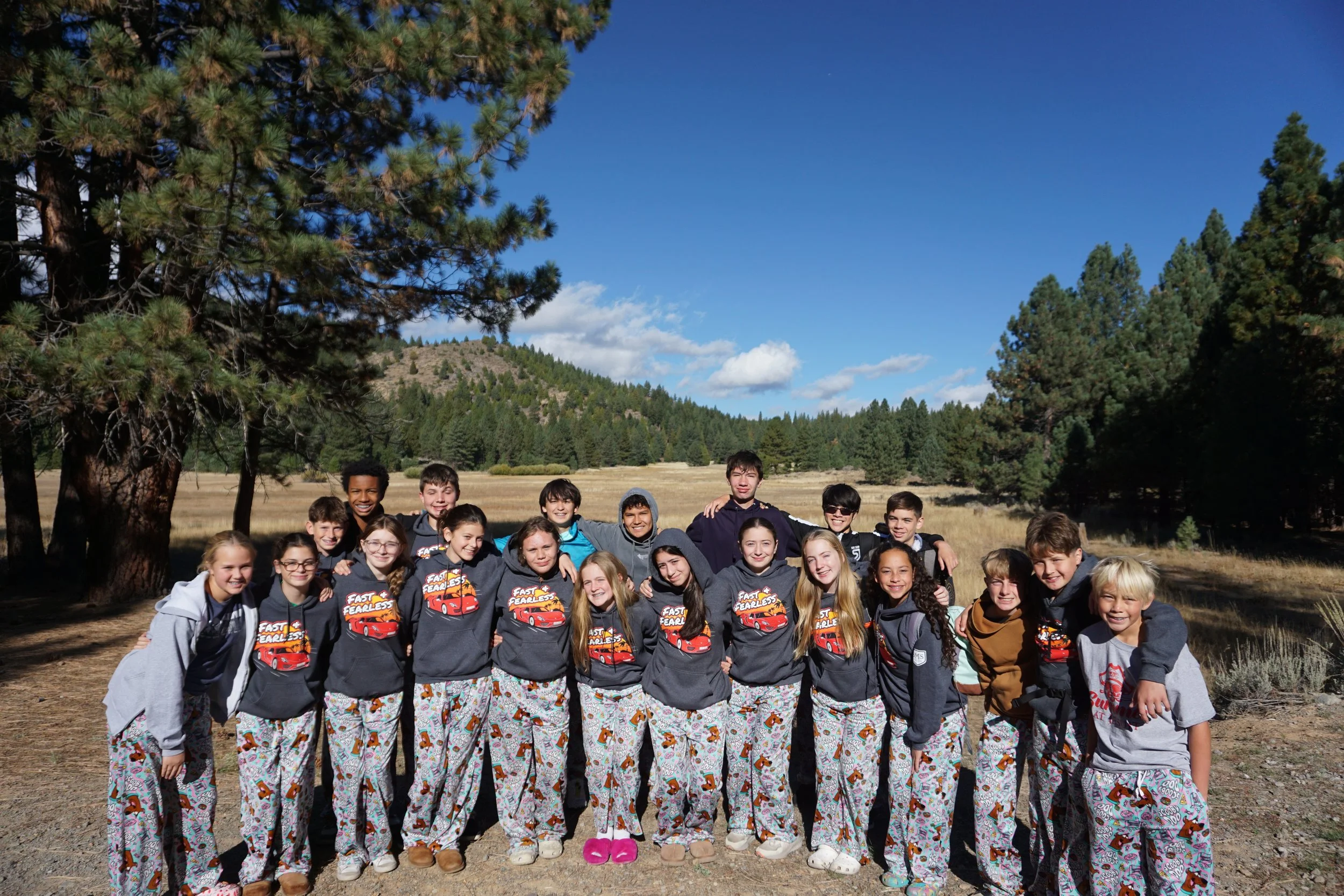
Summer programs are wrapping up. Schools are preparing for a new year. Grown-Up Getaway Camp brings adults to Camp for a weekend of play, rest, connection and purpose. New partners and board members are being spotlighted. Donors, sponsors, raffle partners and community champions continue showing up in meaningful ways.
It all connects back to one idea: it takes a village:
Teachers who choose hands-on learning for their students.
Families who trust us with their children’s camp experiences.
Board members who help guide the organization with care and vision.
Donors and sponsors who believe access to outdoor science education should not depend on financial barriers.
Business partners who give generously, whether they are supporting an activity, donating a raffle prize, funding a program or helping create a memorable experience for campers.
Long-term program partners like Summer Search, which has worked with Sierra Nevada Journeys for 14 years.
This year, Summer Search joined Sierra Nevada Journeys for a two-week backpacking trip with high school students in Plumas National Forest in the Lakes Basin Area. Experiences like that help young people build confidence, strengthen relationships and discover what they are capable of outdoors.
These partnerships matter because they turn belief into action.
They help students get outside. They help teachers bring science to life. They help families access meaningful programs. They help create experiences that students remember.
Grown-Up Getaway Camp helps support kids
Grown-Up Getaway Camp is one of the clearest examples of this community in action.
From Aug. 14 to 16, 2026, adults will come to Camp in Portola for a weekend of classic camp fun, creative workshops, music, meals, time outdoors and connection under the pines.
The weekend is joyful by design. Campers get to unplug, play, rest and reconnect with the simple fun of summer camp.
But the weekend also has a bigger purpose.
Grown-Up Getaway Camp is a fundraiser that supports Sierra Nevada Journeys’ outdoor science education programs for kids. Sponsors, vendors and raffle donors help make the weekend special while also supporting the mission behind it.
That means a Paint n’ Sip, a meal shared in community, a raffle prize, a poolside activity or a music-filled evening can all be part of something larger.
A weekend of fun for adults can help create meaningful outdoor learning opportunities for students.
Back to school is a beginning
The start of a school year is not just a return to routine. It is a beginning.
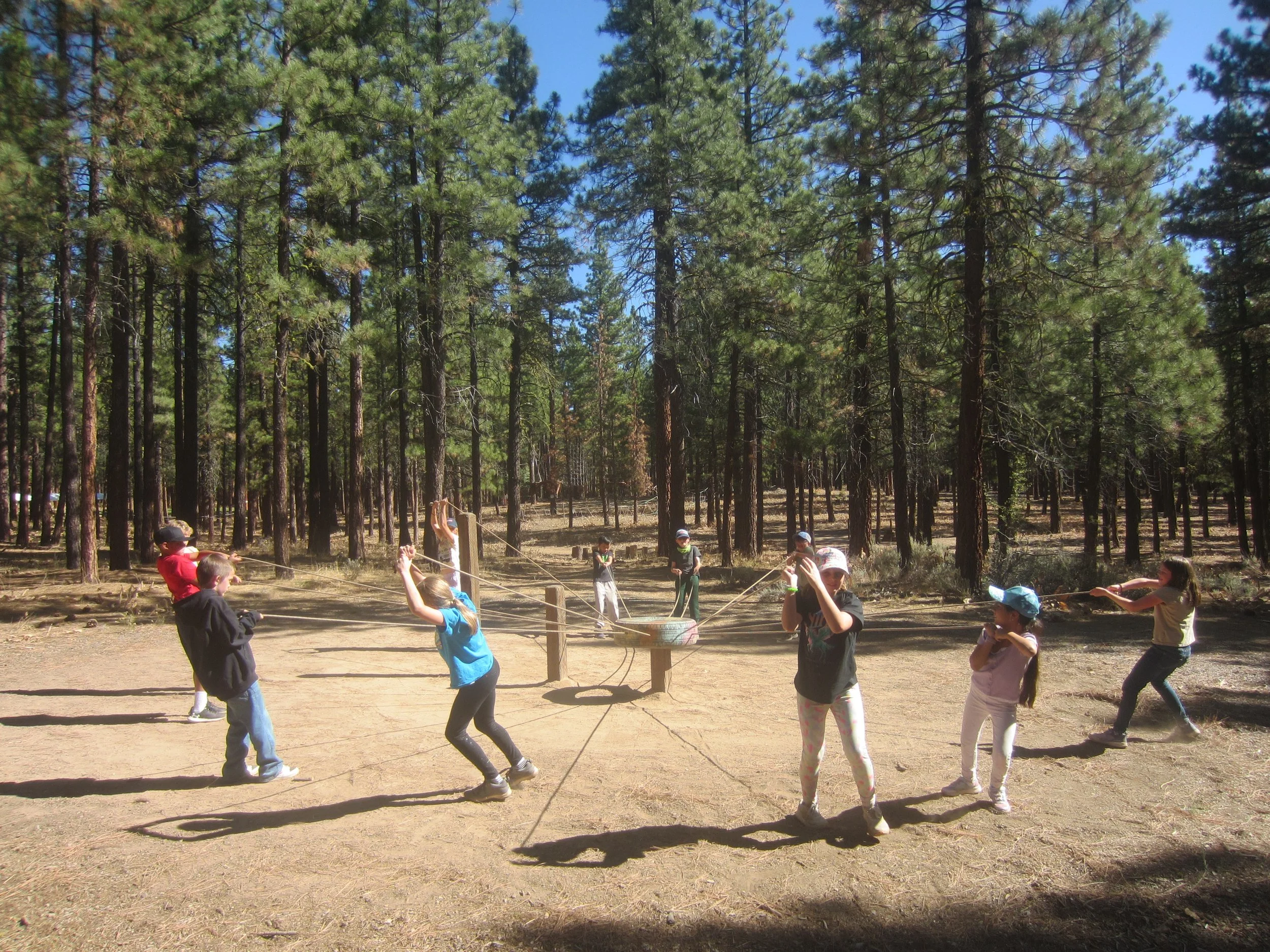
A chance to help students feel curious again.
A chance to make science feel real.
A chance to support teachers with experiences that help lessons stick.
A chance for families, donors, sponsors and partners to keep showing up for outdoor learning.
At Sierra Nevada Journeys, we are excited for what this school year can hold. We are ready to welcome students into hands-on science experiences that build confidence, spark questions and connect them to nature.
Students have already told us what happens when learning moves outside:
“This is the best field trip ever!”
Summer may be winding down, but outdoor learning is not.
Back to school can also mean back outside.
Learn more about Sierra Nevada Journeys’ school-year programs, camp experiences and ways to support outdoor science education by exploring our website.
It Takes a Village
The People Who Help Make Sierra Nevada Journeys Possible
When a child comes home from camp with muddy shoes, a new friend’s name, and a story they cannot wait to tell, that moment may look simple from the outside:
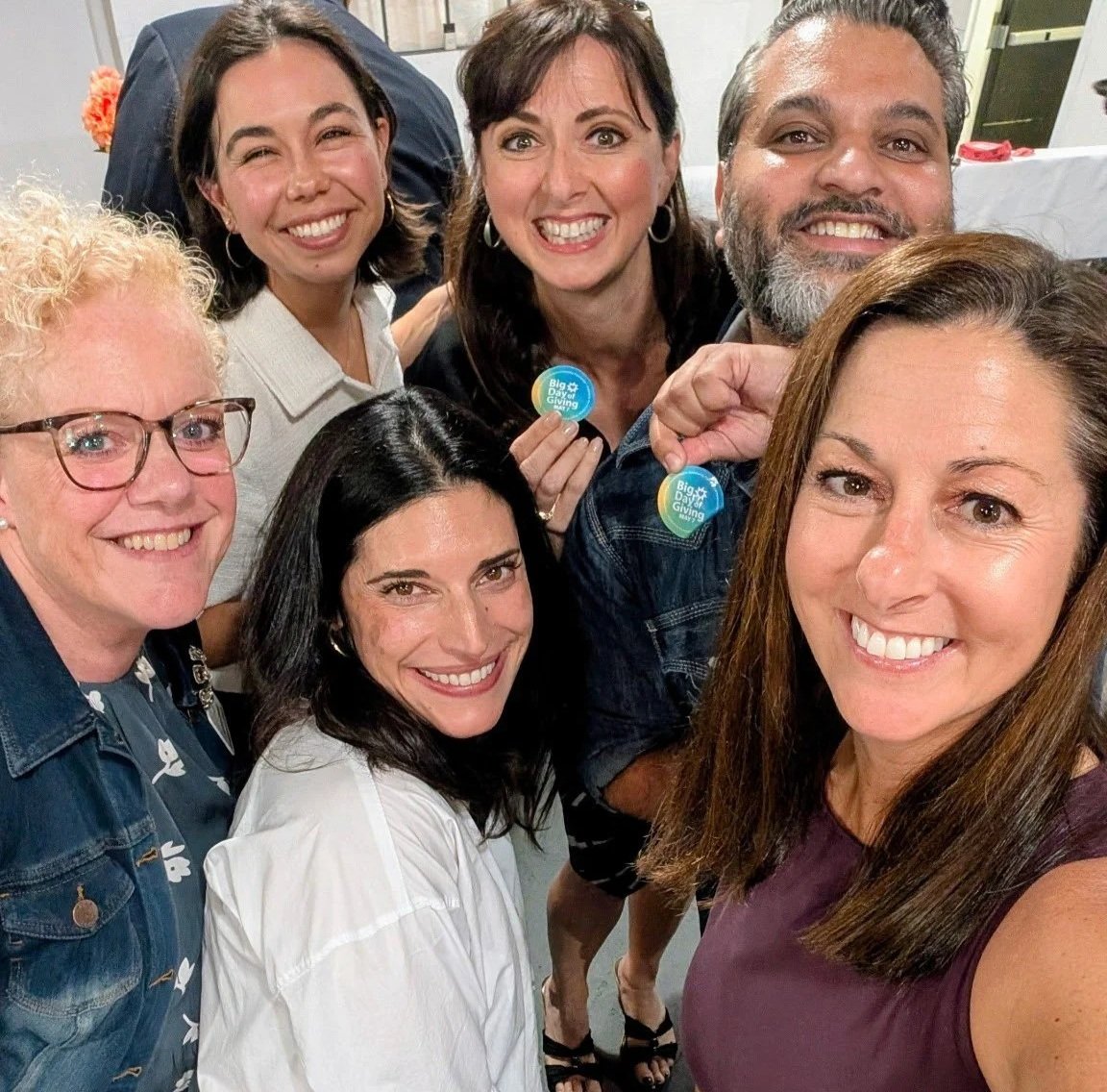
a camper tried something new
a student asked a better question
a class explored science outdoors
a girl saw herself as someone who belongs in STEM
Those moments do not happen because of one person, one program, or one day at Camp.
They happen because a whole community chooses to show up.
At Sierra Nevada Journeys, we believe outdoor science education changes the way students see themselves and the world around them. It helps young people build curiosity, confidence, and connections to nature through hands-on learning experiences that stay with them long after the program ends.
This work takes educators, families, schools, volunteers, donors, sponsors, business partners, board members, and community champions. It takes people who give their time, resources, ideas, and belief in what is possible for kids.
It takes a village.
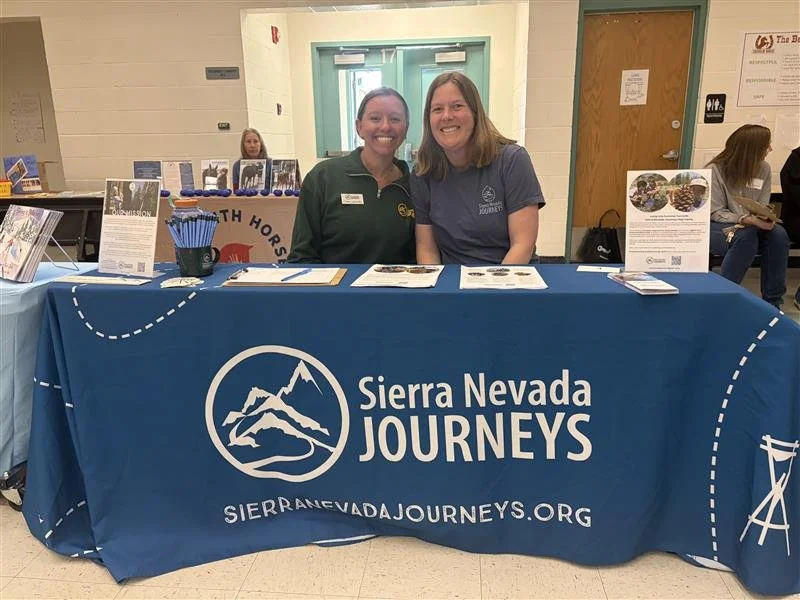
Leadership That Helps Guide the Way
Behind every Sierra Nevada Journeys program is a group of leaders who help strengthen the organization, guide big decisions, and keep the mission moving forward.
Our Board of Trustees and Advisory Board bring experience from education, business, health care, finance, conservation, public service, law, and community leadership. Their work may not always be visible during a day at camp or a classroom program, but it shapes the future of Sierra Nevada Journeys in meaningful ways.
Our Board of Trustees guides our organization with vision, dedication, and a deep commitment to ensuring more young people have access to outdoor science education. Their thoughtful leadership, strategic insight, and passion for our mission have helped strengthen Sierra Nevada Journeys and support the communities we serve.
We are also grateful for the many board and advisory leaders who give their time and expertise to Sierra Nevada Journeys. Their service helps us plan responsibly, build trust, reach new communities, and think about what outdoor learning can look like for future generations.
That leadership allows us to:
expand programs
welcome new students
plan for Camp’s future
ask how more children can experience science outdoors in ways that feel joyful, welcoming, and real
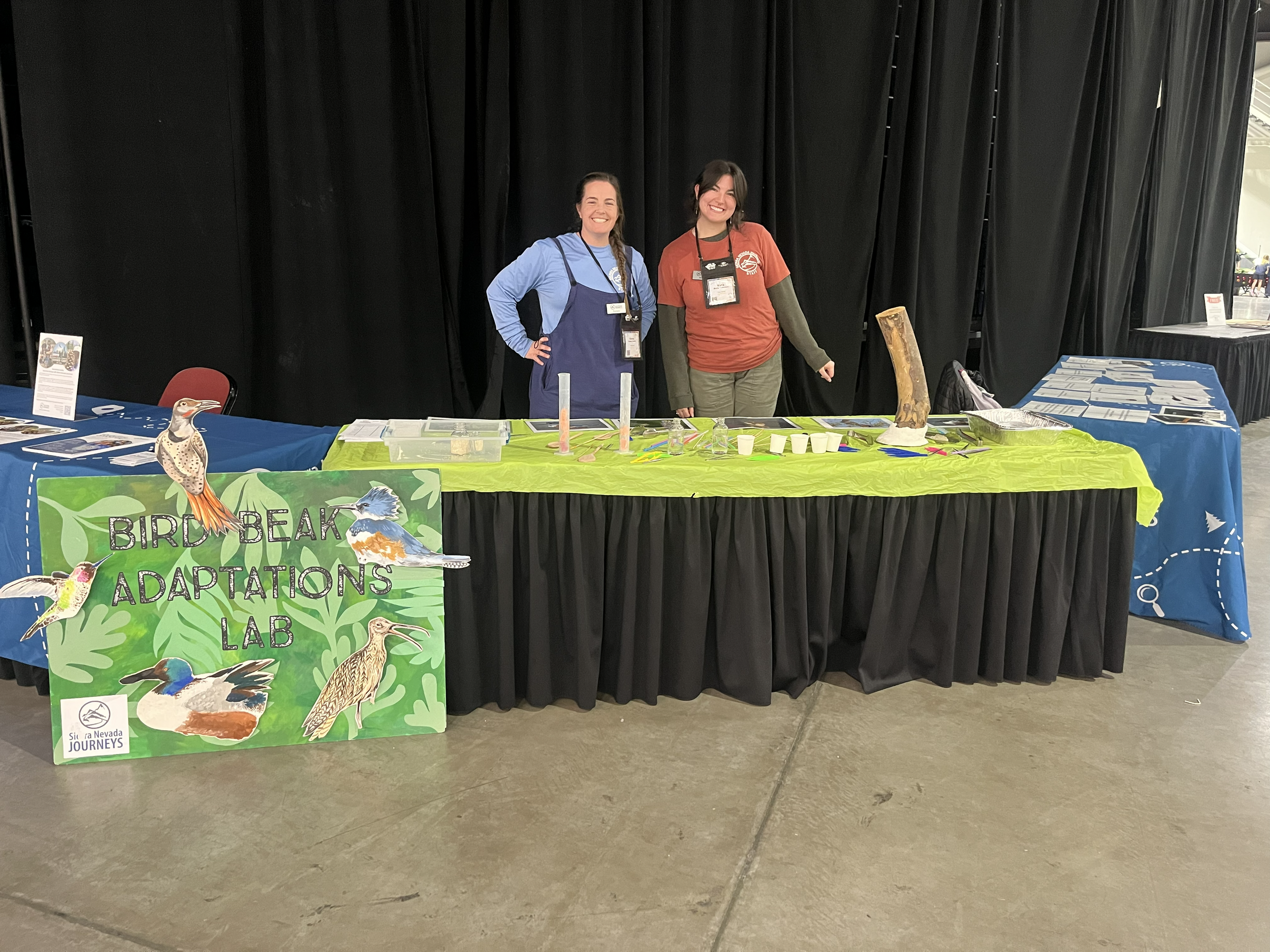
Donors Turn Belief Into Action
Donors and sponsors help bring the mission to life. Their gifts support programs like:
Classrooms Unleashed
Family STEM Nights
Girls in STEM Camp
Overnight Outdoor Learning
Day Camp
Overnight Summer Camp
Grown-Up Getaway Camp
Donor gifts also:
help students access programs regardless of financial barriers
bring hands-on science directly into classrooms
support family learning nights where parents, caregivers, and children explore STEM together
create camp experiences where kids can climb, hike, build, test, observe, wonder, and grow
Every gift has a ripple effect.
Support from organizations like the Ozmen Foundation Fund at the Community Foundation of Northern Nevada helps make Girls in STEM Camp possible for students who benefit from hands-on science, mentorship, and outdoor learning.
Partnerships with organizations such as Renown Health, DOWL, NV Energy, Sacramento Area Sewer District, Microsoft Reno, SCHEELS, KSI Foundation, Aristocrat Gaming, Sierra Pacific Federal Credit Union and others help students access learning experiences that build confidence and curiosity.
These partners help students learn by doing.
They help students see that science is not limited to a textbook: it can be found in a pond sample, on a forest trail, during a family STEM activity, in a day camp experiment, or in a question asked under the trees.
A Community That Makes Camp More Joyful
Grown-Up Getaway Camp is another beautiful example of community in action.
This adults-only camp weekend began as a fun way to reconnect grown-ups with the joy of camp. It has grown into a meaningful fundraiser for Sierra Nevada Journeys, creating another way for adults, local businesses, and community partners to support outdoor science education for students.
The weekend is filled with the good kind of camp energy: meals shared in community, Paint n’ Sip, karaoke, live music, poolside fun, outdoor activities, and time to slow down under the pines.
That experience is made possible by generous sponsors, vendors, raffle donors, and local businesses who contribute in creative ways:
providing meals
supporting activities like Paint n’ Sip, karaoke, or the poolside DJ
donating raffle items, gift cards, beverages, food, and packages that make the weekend even more fun for campers
Thank you to the businesses and individuals who are helping make Grown-Up Getaway Camp a joyful fundraiser and a meaningful way to support students. Your generosity adds to the fun of the weekend while helping Sierra Nevada Journeys continue delivering outdoor science education to kids across our region.
The Village Shows Up in Many Ways
Support does not always look the same. Sometimes it is:
a board member lending strategic guidance
a business sponsoring an activity
a donor helping a student attend camp
a teacher choosing outdoor learning for their class
a volunteer who gives their time to help students feel welcomea parent trusting us with their child’s summer experience
All of it matters.
When students step into Sierra Nevada Journeys programs, they are entering something built by many hands.
They are met by educators who care deeply about learning.
They are supported by donors who believe access matters.
They are guided by board members who help protect and grow the mission.
They are surrounded by a community that believes kids deserve time in nature, meaningful science education, and experiences that help them discover what they are capable of.
Thank You for Being Part of the Village
To our Board of Trustees and Advisory Board, thank you for guiding this work with care.
To our donors and sponsors, thank you for making these programs possible.
To our raffle donors, vendors, business partners, volunteers, teachers, families, and community champions, thank you for showing up in ways big and small.
Your support helps create the moments students remember their first:
time they climbed higher than they thought they could
testing water from a pond
question they asked that leads to another question
realization that science is something they can see, touch, explore, and understand
That is the power of this village.
Thank you for being part of Sierra Nevada Journeys.
“I Want to Be a Geologist”: One Camper’s Joyful Leap into STEM
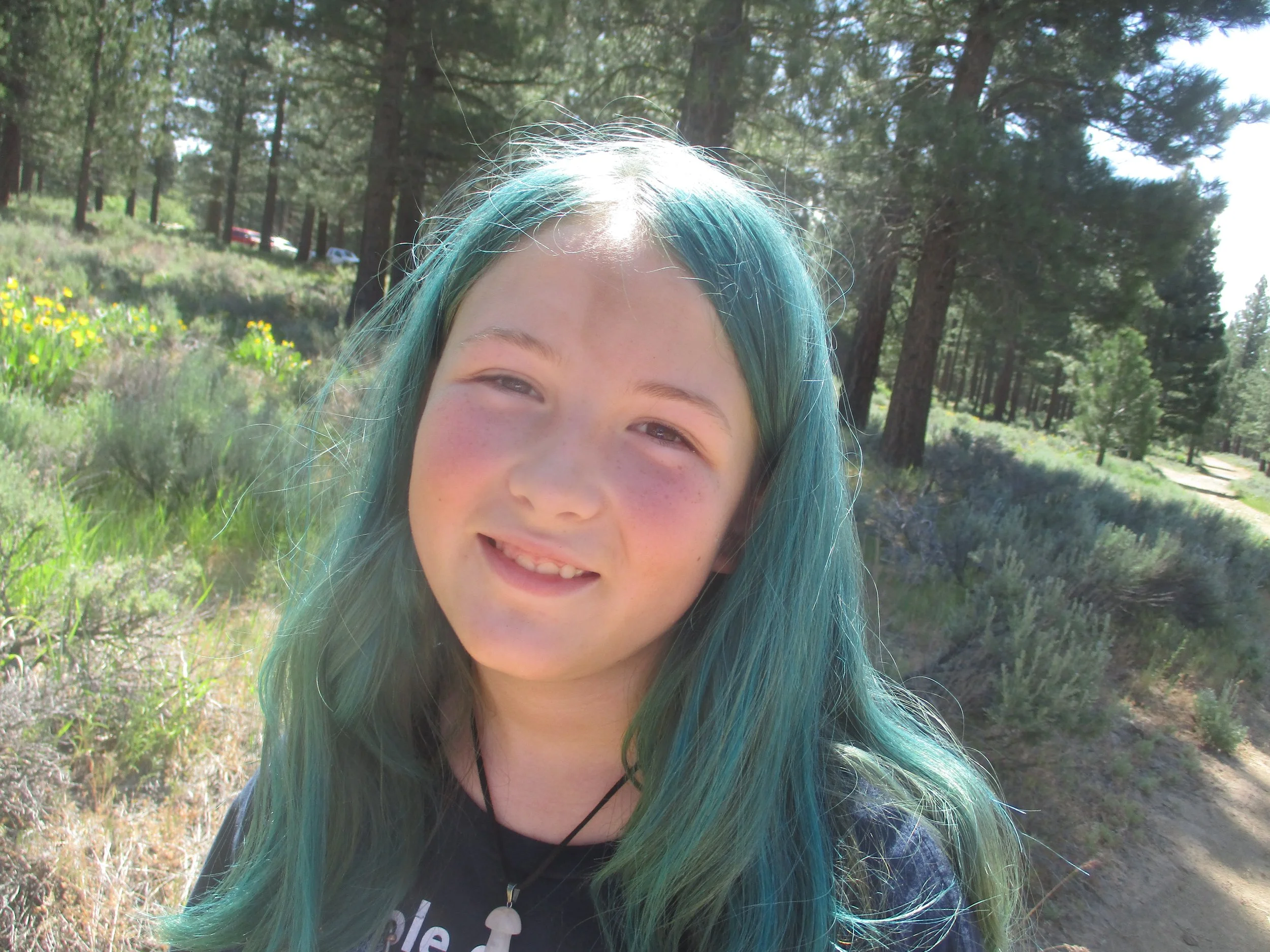
For Iris, coming to Girls in STEM Camp started as a surprise, and quickly turned into something special.
“My name is Iris,” she said shyly. “I’m going to Clayton Middle School.” She hadn’t planned the experience herself. “My teachers recommended me here,” she explained. “And now I’m here, and I’ve been really excited about it for weeks.” In fact, her parents already knew before she did. “My teacher told them before I knew,” she added with a smile.
From the moment she arrived, Iris knew she belonged. “I love the Camp,” she said. “I love how there are so many activities and so many different things you can do.” But it wasn’t just the activities, it was the people. “We all have our own beds, and we don’t know some people, but we make new friends.” She paused, then added simply, “I love it.”
One thing that makes this camp stand out for her is the environment. “It’s just girls,” she said. “If boys were here, especially with the slime station, chaos would erupt.” She laughed. But there was something deeper there, too: “We can share girl things, and I love it.”
In school, Iris already knows what she likes and what she doesn’t.
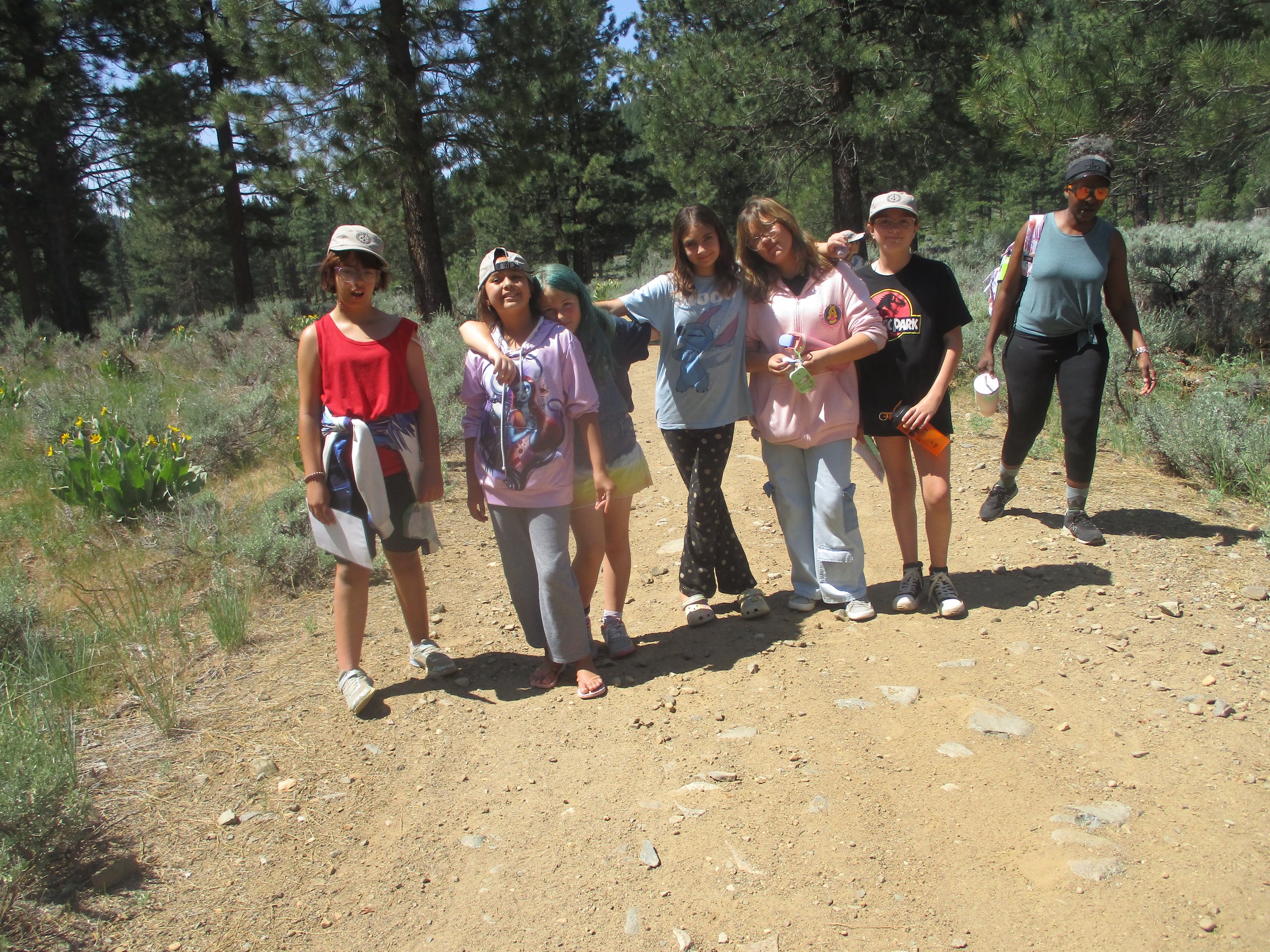
“Math,” she said without hesitation when asked about her favorite subject. What draws her to it is its clarity. “If you learn how to do it and you can do it, then you got it.” Unlike other subjects, she explained, math feels steady and predictable. “You can go up as high as you can, as long as you already have the stuff mastered.” Reading, on the other hand, feels more complicated. “You have to get a whole new vocabulary and stuff,” she said.
At Camp, that confidence in learning is starting to shape her future goals.
“I want to be a geologist,” she said proudly. The reason behind it is refreshingly straightforward: “I like digging, and I like rocks a lot. So it is kind of obvious.”
While no one has directly guided her into that path, she’s already thinking realistically about what it could mean. “You might not always be digging,” she said, recalling things she’s been told. “You’re not going to have summer breaks like school.” Even so, her curiosity remains strong.
Here at Camp, that curiosity is just beginning to expand. When asked what she hopes to learn from meeting scientists, she shrugged, smiling. “I honestly don’t know.”
And maybe that’s the best place to start.
Surrounded by new friends, hands-on activities, and endless questions waiting to be explored, Iris is discovering that learning doesn’t have to come with all the answers. Sometimes, it just begins with excitement and a love of rocks.
From Campfires to Curiosity, Zariah’s Journey into STEM and Stewardship
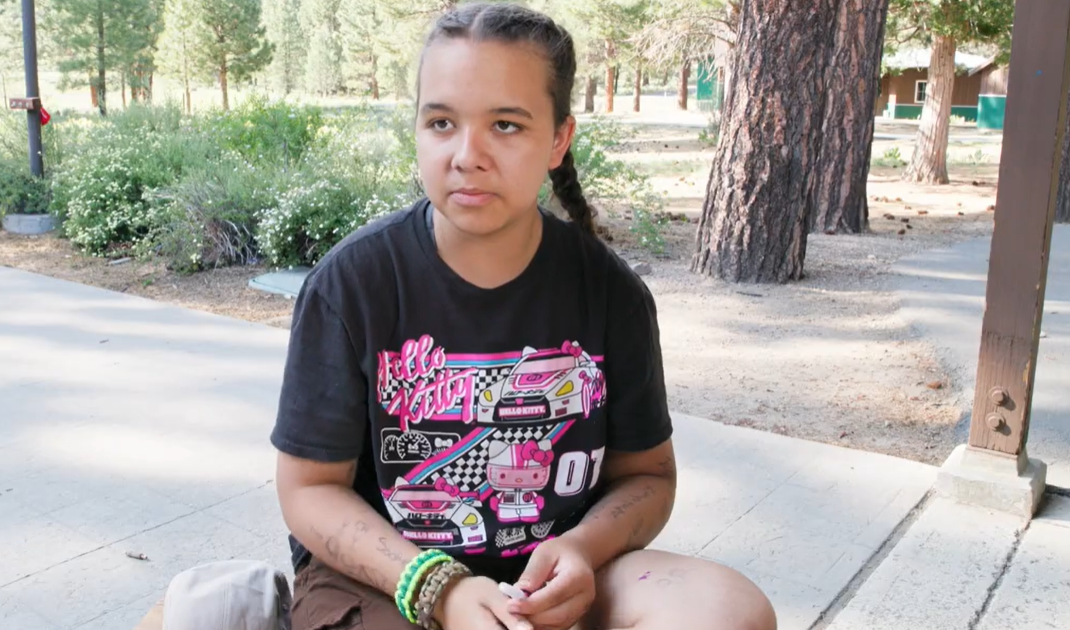
At Sierra Nevada Journeys, Zariah didn’t just come back for another camp, she came back for possibility.
“Oh, it’s super fun,” she said with an easy smile. “It’s like super inviting and everybody’s nice here, and it’s open to everybody.” For Zariah, a 14-year-old from Swope Middle School in Reno, Nevada, Girls in STEM Camp offers something school sometimes doesn’t: “You get to learn, but not in a way that’s like school, where it’s not fun and it’s just out of a textbook. You get to do hands-on activities, which is what I love.”
“I love environmental science,” said Zariah. “I love science in general; engineering is amazing.” But more than any one subject, what drives her is a sense of responsibility. “Mostly it’s just bringing the environment to a better state than it already is in, and a lot of that is through STEM.”
That mindset feels natural to her. “I don’t know why anyone wouldn’t care about the environment,” she said thoughtfully. “It’s given us literally everything. Everything that we have is because of what nature gives us; your house is built out of nature.”
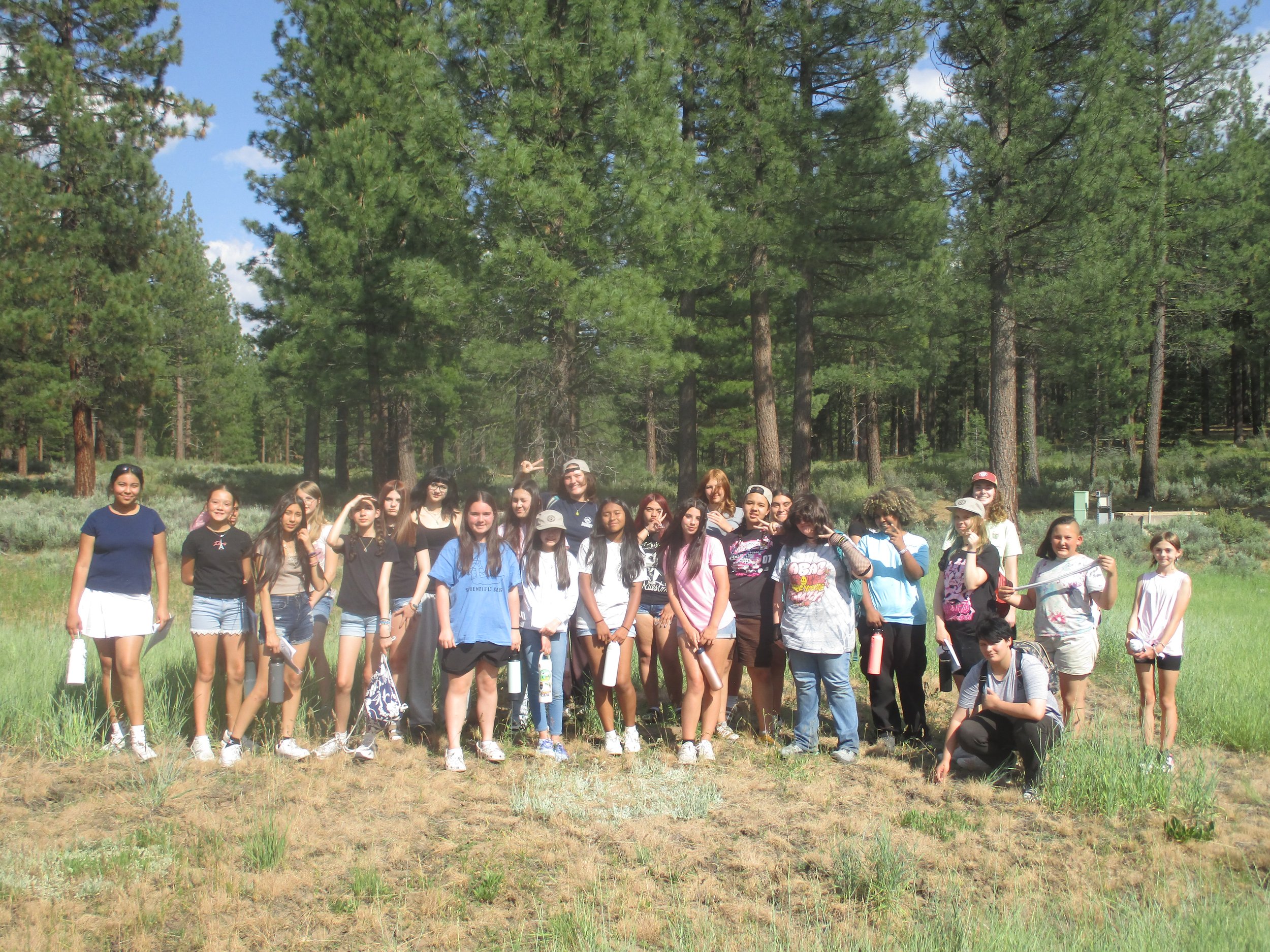
Zariah first came to Girls in STEM Camp the year prior after spotting an opportunity. “My mom just asked if I wanted to do it, and I said sure because it’s a new way to see opportunities and I love STEM.” It fit perfectly with her curiosity and her interest in “going out into nature and reconnecting.”
This year, she’s diving even deeper, not just into science, but into community.
“What impressed me the most was the community building,” she said. “A lot of camps don’t incite that enough, but we have a lot of time to talk to our cabin and become friends.” That sense of connection grows over time. “Because it’s a repeating thing, you come back every year and see the same people, and that’s super nice.”
Still, the science leaves its mark, too. At the pond, Zariah and her fellow campers explored a hidden world. “We learned about all the microscopic creatures and stuff and how that can help the environment,” she said. They’ve also studied “different plants and how to appreciate nature and sustainability around it,” with more lessons still ahead.
And for Zariah, learning isn’t something to get through; it’s something to look forward to.
“It’s going to be so fun,” she said, her excitement carrying into what comes next at Girls in STEM Camp: new programs, new opportunities, and a future that blends creativity, media, and science. But no matter where she goes, her path seems grounded in something simple and powerful: curiosity, connection, and a belief that she can help make the world better.
At Camp, that belief is already taking root.
“Stay Curious”: A Scientist’s Message to the Next Generation of Girls in STEM
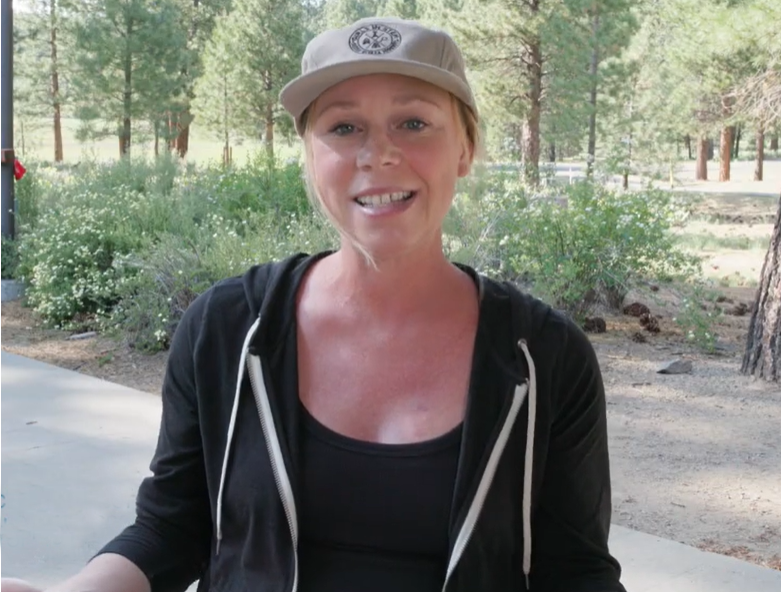
Anne Heggli didn’t follow a straight path into science — and that’s exactly what she wants girls to understand.
Standing outdoors at Sierra Nevada Journeys Outdoor Education Camp, surrounded by mountain air and the lingering chill of snowpack, she introduced herself simply: “My name is Anne Heggli. I’m an assistant research professor in mountain hydrometeorology at the Desert Research Institute.” But her story stretches far beyond a job title.
“I actually want to hang out and chat with the Sierra Nevada Journeys staff at the end of the day,” she joked warmly, her easygoing tone reflecting the kind of scientist she is approachable, grounded, and deeply connected to the world she studies.
Her connection to weather and water began long before her career. “I grew up on the divide between the Middle Fork and the South Fork of the American River in Cool, California,” she said. Seasonal storms weren’t abstract concepts; they were lived experiences. “When we’d get those rain-on-snow events, it would flood, and we wouldn’t be able to get to town.” Her father, she added, “did work in cloud seeding,” so conversations about weather and water were always part of her life. “I’ve always been around it.”
Still, her journey into science wasn’t direct. “My route to being a scientist was very, very non-traditional,” she explained. “I studied a lot of different topics and was interested in a lot of things growing up.” In fact, she first earned “an undergraduate degree in international relations in Spanish.”

It wasn’t until she began working in Latin America alongside her father, a meteorologist, that something clicked. “I was really drawn to the questions and the problems that were trying to be solved,” she said. More than that, she saw the impact. “I liked the application of putting the work into trying to help improve people, manage their water resources, and also understand meteorological events that impact their communities.”
At Camp, Anne brought that same sense of purpose to the girls she worked with at Girls in STEM, along with hands-on tools. “One of the main things that I work on is measuring the snowpack,” she said, holding up specialized equipment. Among them, a Federal Sampler, a professional-grade, portable tool used to measure snow depth and density to determine Snow Water Equivalent (SWE). “The original design was developed in 1906 on Mount Rose (the highest mountain in Washoe County within the Carson Range of Nevada),” she explained, “and it’s still our gold standard for how we measure the snowpack today and predict our runoff.”
With the tools, the girls could measure the amount of water in the snowpack, the density, and also the temperature. But the magic came once they looked deeper. “We can start looking at all the different layers as if it were tree rings in a tree,” she said. “We can kind of get the story of all of the events and storms that came through that winter.”
For Anne, science isn’t just data; it’s storytelling written in snow.
That sense of discovery is exactly why she believes being at Girls in STEM Camp matters. “Sometimes these scientific or STEM-type careers might seem very cookie-cutter,” she said. “There are only a couple of ways or approaches to it.” But her own work tells a different story. “There’s actually a really broad spectrum of the work that can be done.”
In her role, she collaborates with the National Weather Service, studies snowpack, and spends time outdoors. “I get to play outside and spend my time working outside,” she said with a smile. “I would like for the girls to be able to see that you can do whatever it is that you want if you’re really passionate and curious about it. And it can look any way.”
More than anything, Anne hopes to leave the girls with a mindset rather than a specific career path. “As a woman in STEM, I want to help them foster that sense of curiosity.”
In a world that often emphasizes results and output, she sees something missing. “So much of the education focus is on the quantity of what we learned,” she said. But learning, to her, is something much bigger. “Becoming a lifelong learner, you can learn as you get older and as you grow. Learning should just be something that’s fun.”
Out in the mountains, where science lives in snow layers and storm patterns, Anne Heggli is showing the next generation that curiosity doesn’t have to follow a straight line and that sometimes, the most meaningful discoveries begin simply by asking questions.
Every Action Makes a Difference: A Donor’s Vision for Girls in STEM and a Sustainable Future
The first thing Cybele Chang, Executive Director of KSI Foundation, did when she arrived was take in the view.

“It’s beautiful,” she said, looking out over the wide green meadow at Sierra Nevada Journeys Outdoor Education Camp. “I am a huge outdoor person. I mean, what is there not to love up here? It’s gorgeous.” The valley, she added with a laugh, felt like “something out of the movies.”
It was a fitting place for reflection, on science, on the future, and on the girls running through camp who might one day shape both.
Today, KSI has a clear purpose. “Our mission is to give to organizations that help educate low-income girls in the areas of STEM and entrepreneurship,” said Cybele.
Finding Sierra Nevada Journeys and its Girls in STEM Camp came from intention. “A lot of research, actually,” she explained. “We have an idea of what we want to give to and after doing some research, I found Sierra Nevada Journeys. It was good timing and a good fit.”
The fit became obvious. “The STEM, Girls in STEM Camp is specifically for Title I, low-income girls in the field of STEM (science, technology, engineering, and math).” Just as important was timing. “We believe that you need to capture their attention when they’re young, but not too young.” For her foundation, that meant focusing on girls ages 9 through 14.
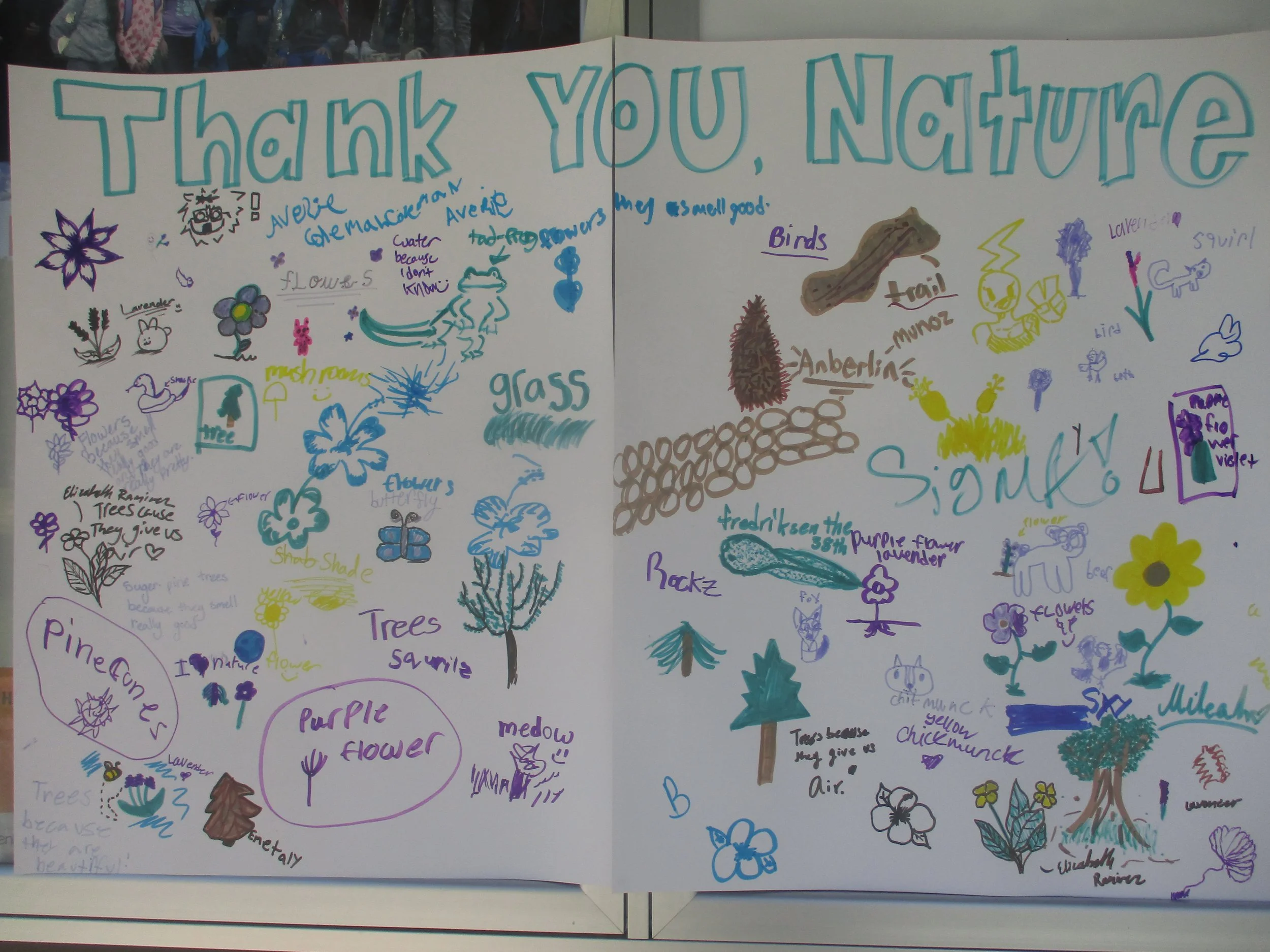
She leaned forward, emphasizing the point. “By the time you’re in high school, most teenagers have already made up their minds, so we’re really focusing on that age. That’s important to us.”
Out on the trails and in the open air, those girls were learning more than facts and formulas. They were forming relationships with science, with each other, and with the earth beneath their feet.
“I think it would be great if they went and became a scientist in some way,” Cybele said. Then she paused, softening the expectation. “But that isn’t necessarily practical.” What mattered more was something more meaningful: “that the girls come away with a deeper connection with the earth and to understand that we are all stewards of the earth.”
Her words carried both hope and urgency. “Every action that they make — recycling, walking instead of driving, putting solar on their house — those steps are important for the existence of the human race on this planet.”
That conviction wasn’t abstract. It was personal.
“My father was actually a computer science professor in electrical engineering,” she explained. “He had two daughters He didn’t advocate for us to go into the sciences, but both my sister and I exceled in the sciences.” She chuckled. “So we’re poster children for girls in STEM.”
Cybele herself studied environmental science at UC Berkeley. Her sister, she added with admiration, “got a master’s in math, which to me is astounding; that’s a lot of math.”
Those life experiences shaped not only what she believes, but what she wants others to understand.
“I just hope that the future generation really does take to heart that we play a role in the future,” she said, her voice growing steadier and more insistent. She illustrated that idea with a vivid example where a plastic bag drifting into the ocean, mistaken for a jellyfish and eaten by a turtle. She added, “We are part of all of that ecosystem, and every action we take can make a difference.”
The message she hopes the girls carry home is simple, but immense. “We are not here to just consume and do whatever we want. If you want the human race to continue in perpetuity, then you need to take action and live a more sustainable life.”
Back outside, the meadow stretched on under the summer sun, quiet and alive at the same time. Somewhere nearby, a group of girls was laughing, discovering something new about the world, or maybe about themselves.
Cybele watched the landscape for a moment, then smiled in the direction of the campers, “They’re what’s really important to me — the girls.”
Opening Eyes to Flight: Julianna Eppard Inspires Curiosity at Girls in STEM
Julianna Eppard stood before the campers with easy confidence, the kind that comes from years of curiosity and connection to the natural world.
A member of the Lahontan Audubon Society, a nonprofit organization dedicated to birdwatching, education, and conservation of birds in northern Nevada,” Julianna didn’t just study nature; she lived it. Her journey into science and environmental work began early. “My mother was an environmental consultant for her career, so I’ve been raised to keep an eye out while in nature and to regularly think about the environment,” she explained. That mindset stayed with her and grew into something personal. “I’ve also had my own curiosity about the outdoors and what it takes to make sure it stays healthy.”
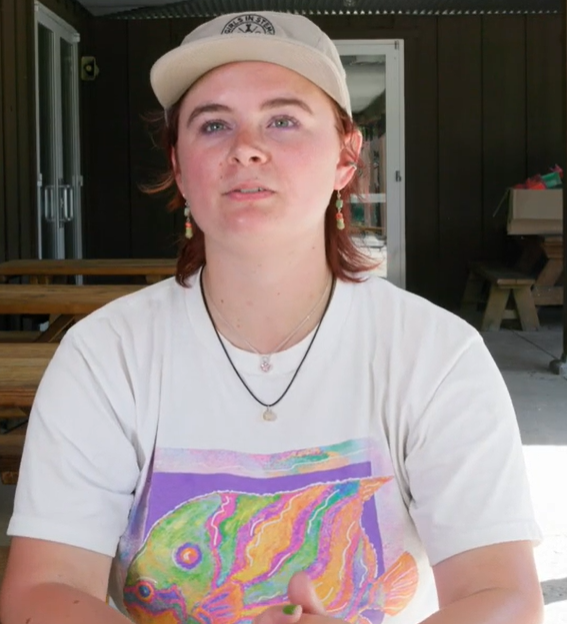
That curiosity turned into action through her work with the Audubon Society. “I volunteer to help with activities and outreach programs,” she said. Whether it was sharing information at events about native bees or attending meetings where members discuss everything from conservation to how to taxidermize animals and birds, Julianna embraced every opportunity to learn and teach.
For her, the importance of that work is clear. “They are set on the preservation and conservation of birds in their environments,” she said. And birds play a vital role: “They spread seed, they pollinate and they’re also just really pretty to look at.”
At the Girls in STEM Camp, Julianna’s role was more than just a speaker; she was a guide helping young girls see possibilities. “I think it’s really important to get out there and show young women that they are allowed to take up space in this career path,” she said. “Allowed to move forward and have their own curiosities and dreams.”
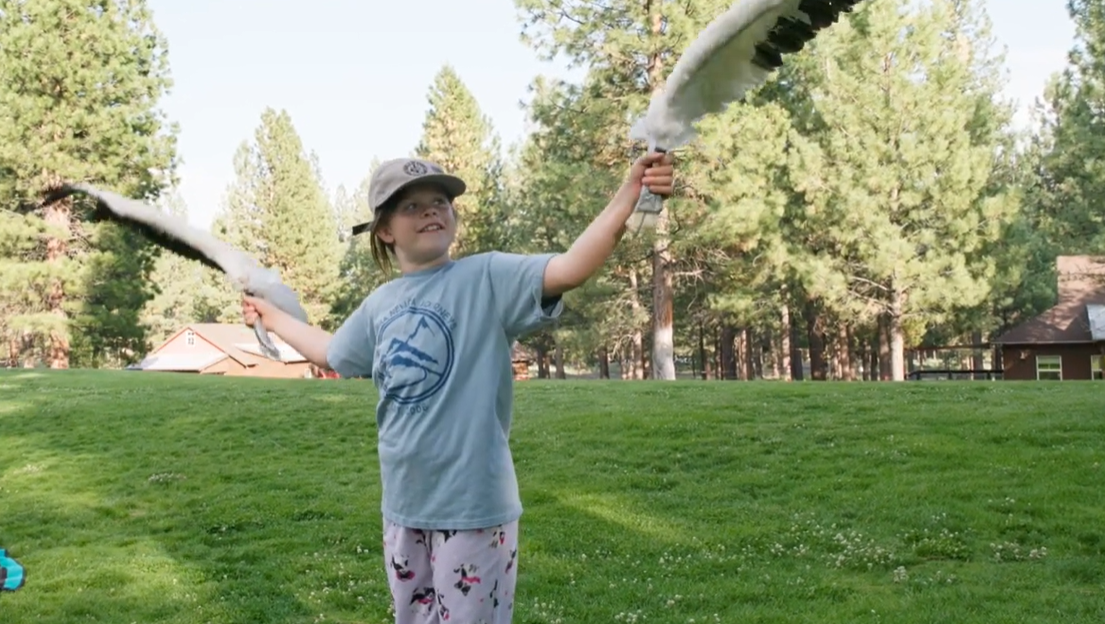
Julianna already has experience bringing science to life. During a recent internship at the University of Nevada, Reno, she worked hands-on with both research and education. “I was working on relabeling their bee collection,” she said, but that wasn’t all. “We had a third-grade class and it was a snake lab, so I got to hold snakes and show them all about it.” She laughed as she remembered the kids’ reactions. “There were some brave ones and then some you had to kind of coax, but they all did really well.”
At camp, her goal was to spark that same curiosity. “Today our main goal is to talk about how birds fly,” she said. For Julianna, that’s where learning begins, with wonder. “It’s just really cool when you get to open your eyes and look around and be able to understand a basic level of what’s happening,” she said. “I think it’s encouraging to just to start that basic level of information about birds.”
And while she sees progress, she knows encouragement still matters. “I do think that there is already more presence of women and girls in these fields,” she said, “but it’s always important to keep encouraging anybody to keep moving forward with what they want to do.”
In the end, her advice to the girls was simple, but powerful: “Have fun. Be outside.”
Because sometimes, all it takes to begin a journey in STEM is the willingness to look up, ask questions, and let curiosity take flight.