
All About Plants
A Classrooms Unleashed Program
for Kindergarten Students
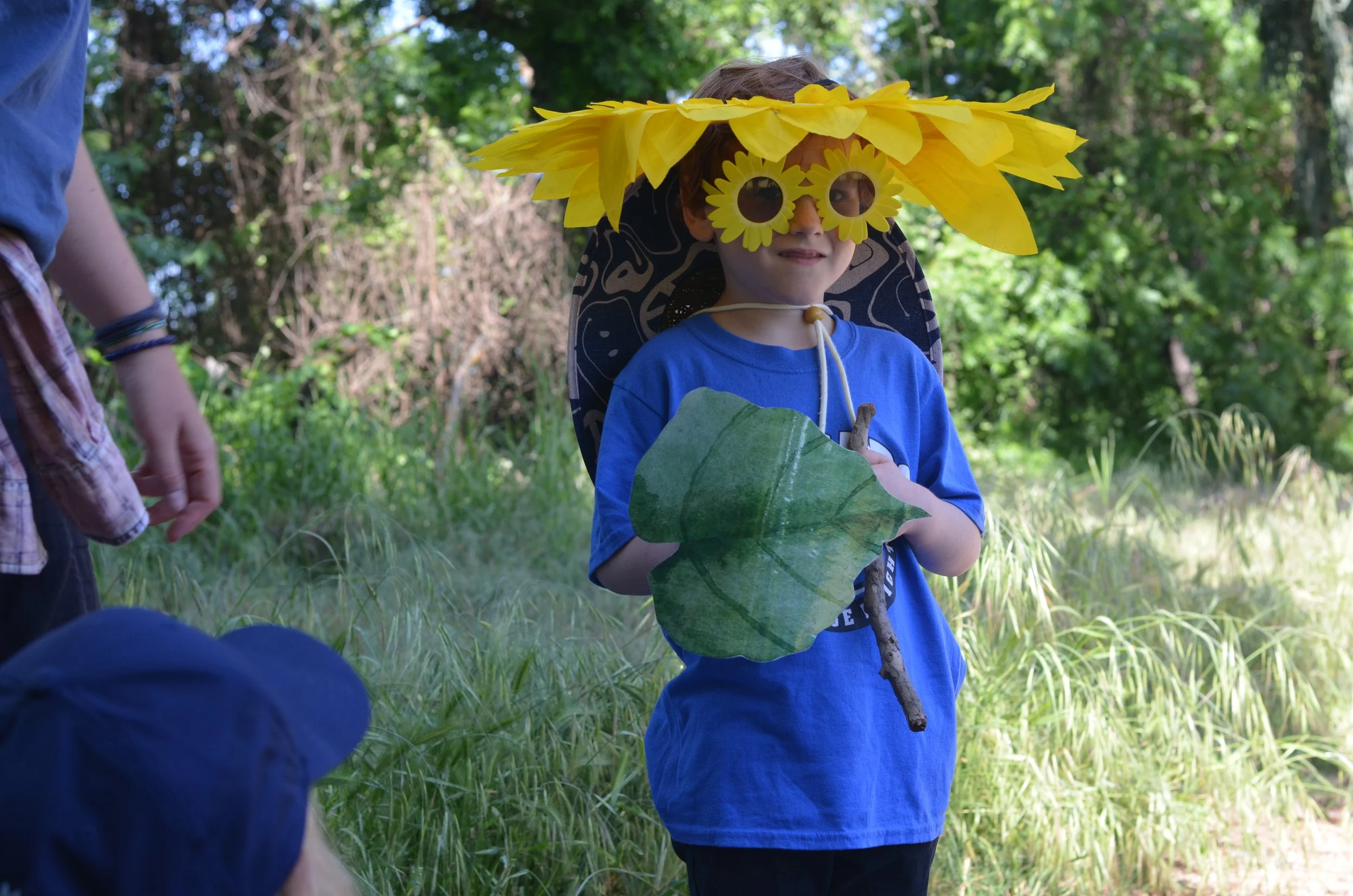
Students become phytologists (plant scientists) and learn about what plants need to grow and survive. Using their senses, students make observations about the differences that occur between plants that received everything they needed and those that didn’t. The concepts of chlorophyll and photosynthesis are introduced. Also, students learn about the anatomy of a plant and each part’s function in the growth process.
All our lessons are backward-designed from Next Generation Science Standards. In addition to the Sierra Nevada Journeys-led lessons, classroom teachers will be provided with three easy-to-use extension lessons to reinforce concepts and vocabulary. Pre- and post-assessments are also included.
PROGRAM OVERVIEW
Classroom Lesson: Garden Observations
During this 60-minute in-class lesson, students use art, hands-on observations, and play to learn the different parts of a plant. Additionally, students will learn the use of observation and thinking like a scientist to investigate how different plant parts can help plants survive.
Outdoors at a Local Nature Area: Plant Party
During this lesson, students will explore the nature field site while taking observations to notice what plants and animals need to survive. Students will be investigating the site for evidence of plants and their parts!
FIELD TRIP LOCATIONS
Camp Pollock, Sacramento, CA
Crystal Peak Park, Verdi, NV
TEACHER INFORMATION
NEXT GENERATION SCIENCE STANDARDS
K-LS1-1: Use observations to describe patterns of what plants need to grow and change.
K-LS1: Use observations to describe patterns of what plants and animals (including humans) need to survive.
K-LS1-A: Use observations to describe the parts of plants (roots, stems, leaves, flowers, fruits) and explain that these parts help the plant survive and grow.